.svg)
.svg)
.svg)
.svg)
.svg)
Let me guess.
You walked into someone’s house, and there it was.
A glossy black grand piano, just sitting there like it owns the room.
And if you love piano or music or just the aesthetic beauty of the instrument, you will definitely feel attracted to the idea of owning one.
Fair.
But grand pianos are one of those things that look simple from the outside and get complicated the second you actually consider buying one.
And if you’re a parent or student looking into piano lessons, or an adult going down a late-night rabbit hole of “should I buy a baby grand piano,” or just someone curious about the instrument, you’ve come to the right place.
What a Grand Piano Actually Is (And Why It Feels Different)
Most explanations say something like: “A grand piano has horizontal strings.”
That’s true, but also not very helpful.
What matters is what that design does.
When you press a key on a grand piano, the mechanism responds faster and more precisely than an upright. Not in a technical way, you need to study. In a way, you can feel it within a few seconds.
The sound is also different. Fuller. More layered. The low notes don’t just play, they resonate.
This is why concert halls use a concert grand piano, not an upright. It fills space differently. It carries.
That said, none of this automatically makes it the right choice for you.
Types of Grand Pianos (And What Those Names Actually Mean)
You’ll hear terms like:
baby grand piano
concert grand piano
sometimes even “mini grand piano” or “petite grand piano”
It sounds complicated. It’s not.
The names mostly describe size.
A baby grand piano is the smallest full grand. Usually around 5 feet. This is what you’ll see in most homes.
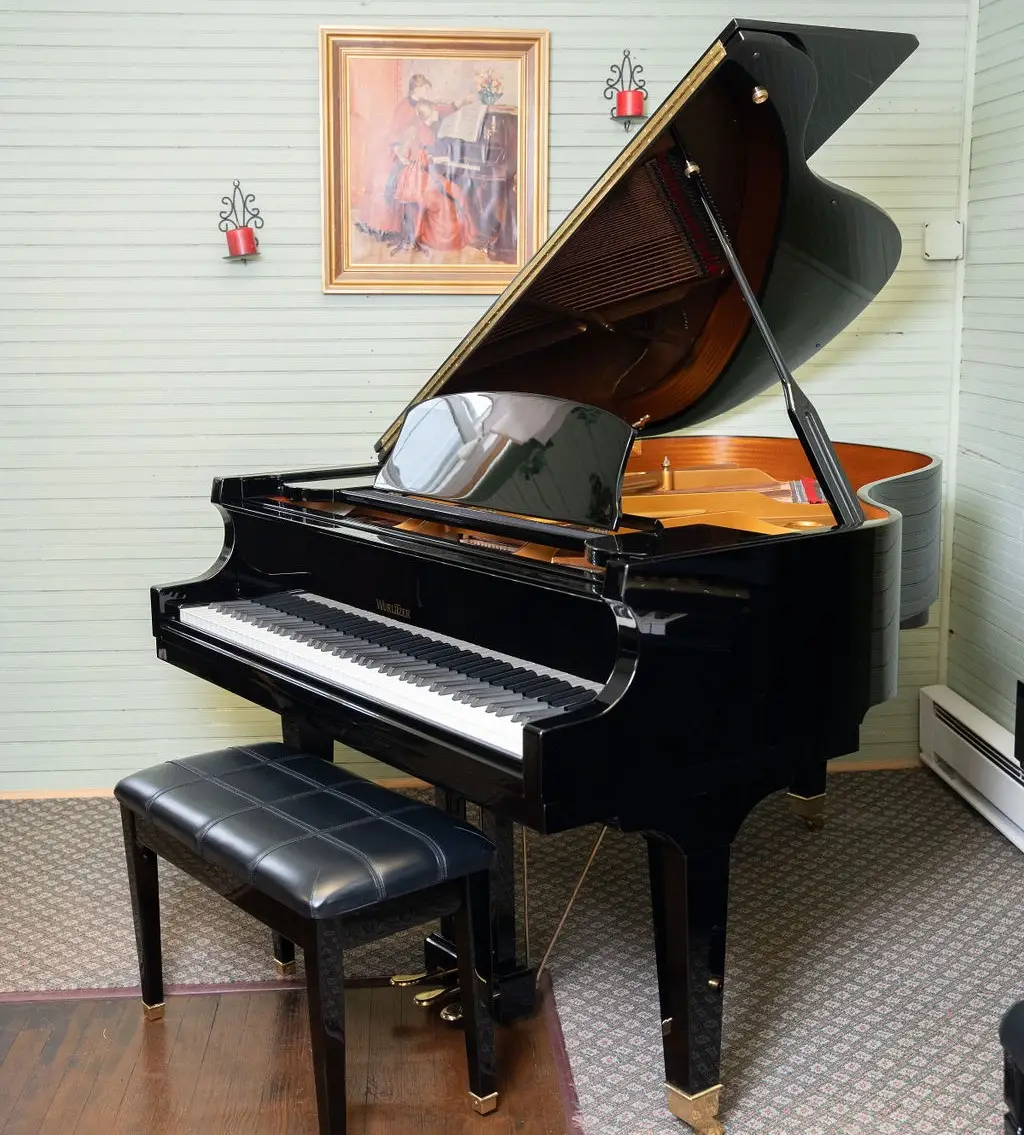
As the size increases, the sound gets deeper and more powerful. A concert grand piano can reach 9 feet and is designed for performance spaces, not living rooms.
That’s really the takeaway:
Bigger piano = more sound
But also = more space, more cost, more commitment
Built to fill halls, not homes. Extremely powerful. Even soft playing carries. In a normal house, it can feel too loud and physically overwhelming unless the room is very large. Typically only makes sense for professionals or performance spaces.
Grand Piano vs Upright Piano
This is the question people are actually asking when they start researching: Grand piano vs upright piano
On paper, the grand is “better.” In real life, it depends.
A grand piano gives you:
More control
More dynamic range
A more responsive touch
An upright, on the other hand:
Less space taken
Lower cost
Easier placement in a home
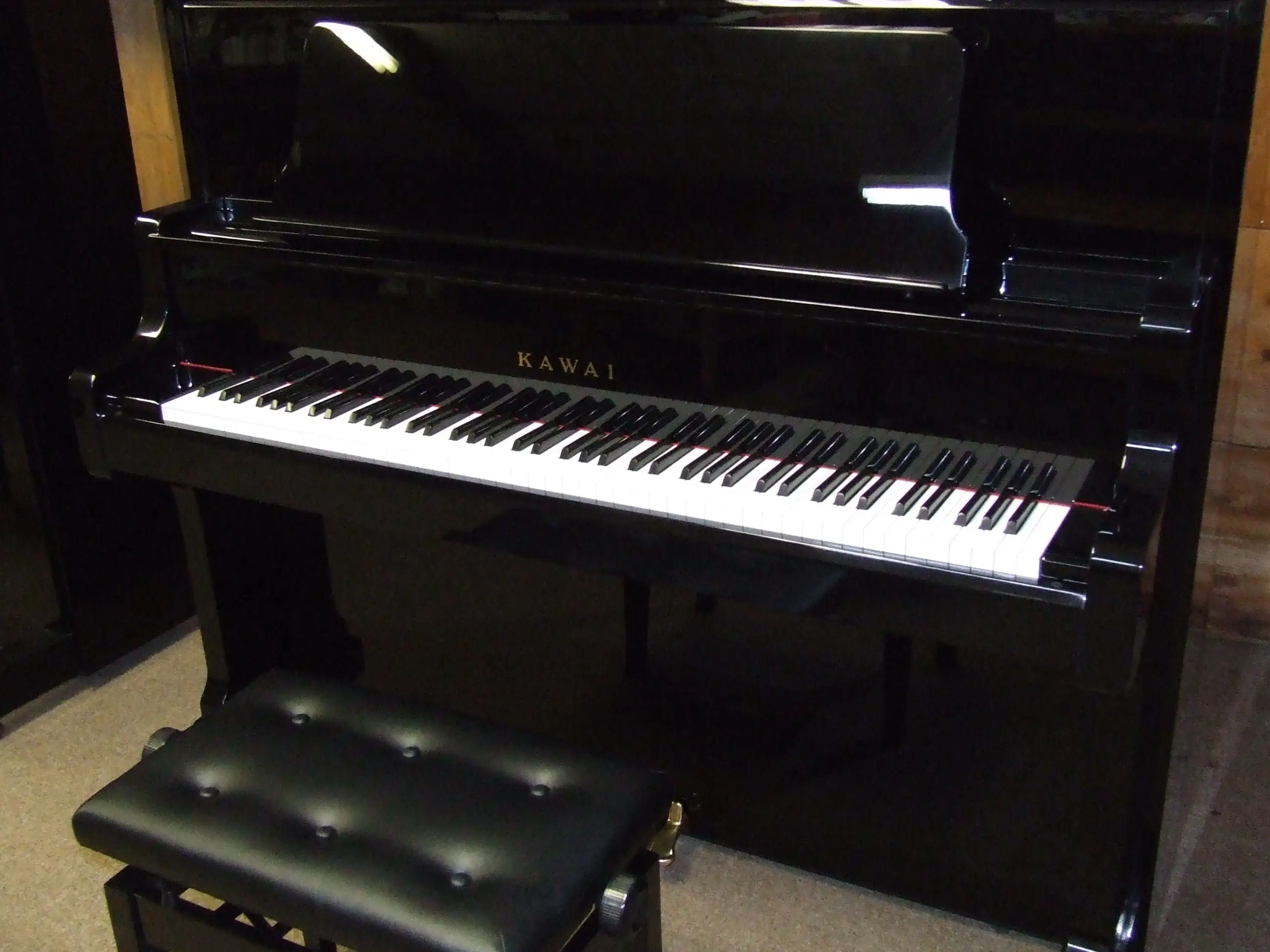
For most beginners, especially kids, an upright piano is more than enough.
In fact, in the early stages, progress has very little to do with whether the piano is grand or upright.
How Much Does a Grand Piano Cost?
This is where things get real.
A typical grand piano costs in the low five figures. A new baby grand piano cost is often around $10,000–$15,000 at the entry level.
From there, prices increase quickly depending on brand and size.
A Yamaha baby grand piano or Kawai grand piano will sit somewhere in the mid-range.
A Steinway grand piano price can easily move into six figures. A new Steinway and Sons grand piano is not just an instrument, it’s a long-term investment.
There are also used options, and you’ll find plenty of listings for a baby grand piano for sale or even a grand piano for sale at lower prices. But condition matters a lot, and repairs can add up.
My first piano purchase was actually a grey market instrument. I wouldn’t make that mistake again.
One thing I always point out: if you see prices that seem unusually low, there’s often a reason.
In many cases, these are grey market pianos. Instruments originally built for other countries (often Japan or Asia) and not for the U.S. climate.
I’ve dealt with these before, and personally, I avoid them. The wood, construction, and long-term stability aren’t always suited for local conditions, and they tend to hold value poorly over time.
Also worth noting:
The price of the piano is only part of the cost.
Moving, tuning, and maintenance are ongoing.
Note: Used pianos can be great value. Or expensive problems. The difference is inspection.
Grand Piano Size, Dimensions, and Space
This is where most people underestimate things.
A baby grand piano size is roughly 5 feet long. But that doesn’t mean it fits neatly into a 5-foot space.
You need room around it. For the bench. For the lid. For movement.
Also, don’t just measure the piano. Measure how you’ll actually use it.
You’ll need:
- Around 3 feet for the bench
- Space to sit and move comfortably
- Clearance for the lid and walking paths
And don’t forget width.
Grand pianos are wide. In smaller rooms, they don’t just sit there, they take over.
So when people search: grand piano dimensions or grand piano measurements, what they’re really asking is: “Will this take over my living room?”
Sometimes, yes.
In smaller Los Angeles apartments, especially in areas like Westwood, it’s usually not practical.
In larger homes, it can work well. But placement matters. Sunlight, temperature, and airflow all affect the instrument over time.
One mistake I see a lot is placing a piano in direct sunlight because it “looks nice” near a window.
I wouldn’t do that. Over time, sunlight and heat can damage the finish and dry out the wood.
So, avoid:
Direct sunlight (this can damage the finish and dry out the wood)
Areas with temperature swings or humidity
Right next to vents or windows
For long-term preservation, a stable environment matters.
Wood expands and contracts. Over time, that affects tuning, structure, and value.

How Much Does a Grand Piano Weigh?
Another question that comes up a lot: How much does a grand piano weigh?
A baby grand piano weight is typically around 500–600 pounds.
A full concert grand piano can exceed 1,000 pounds.
This matters because moving a grand piano is not a casual task. It requires professionals, planning, and careful measurement of doorways and hallways.
Best Grand Piano Brands (Yamaha vs Steinway vs Kawai)
At some point, everyone ends up comparing: Yamaha vs Steinway vs Kawai
These are the three most common names you’ll see when researching the best grand piano brands.
- Yamaha grand piano: Known for consistency and clarity. Very common in teaching studios and schools.
- Kawai grand piano: Often described as slightly warmer in tone. Also very reliable.
- Steinway & Sons grand piano: Considered the premium standard. Rich sound, high craftsmanship, and a much higher price.
At the beginner level, the differences are less important than people think. All three make high-quality instruments.
These brands hold value better and are more consistent.
As a general rule: Avoid unknown or lesser-known brands, even if they look impressive.
What NOT to Buy
- Unknown or lesser-known brands
If you can’t easily find information about the brand, resale value is usually low and quality can be inconsistent. Even if it looks great, it may not hold up over time.
- Extremely cheap grands that “just need tuning”
This is one of the most common traps.
“Needs tuning” often means deeper issues like worn action, structural problems, or instability. Tuning won’t fix those.
- Rebuilt pianos without clear documentation
I generally stay away from rebuilt pianos, especially high-end ones like Steinway. Unless I know exactly what was replaced and who did the work, I don’t trust what I’m getting.
- Grey market pianos (not built for your climate)
These are typically imported from countries like Japan and weren’t designed for local humidity and temperature conditions.
Over time, that mismatch can affect tuning stability and longevity.
- White grand pianos (when performance matters)
They’re rare, but most are chosen for aesthetics, not sound quality.
If your priority is playing, not decor, they’re usually not the best option.
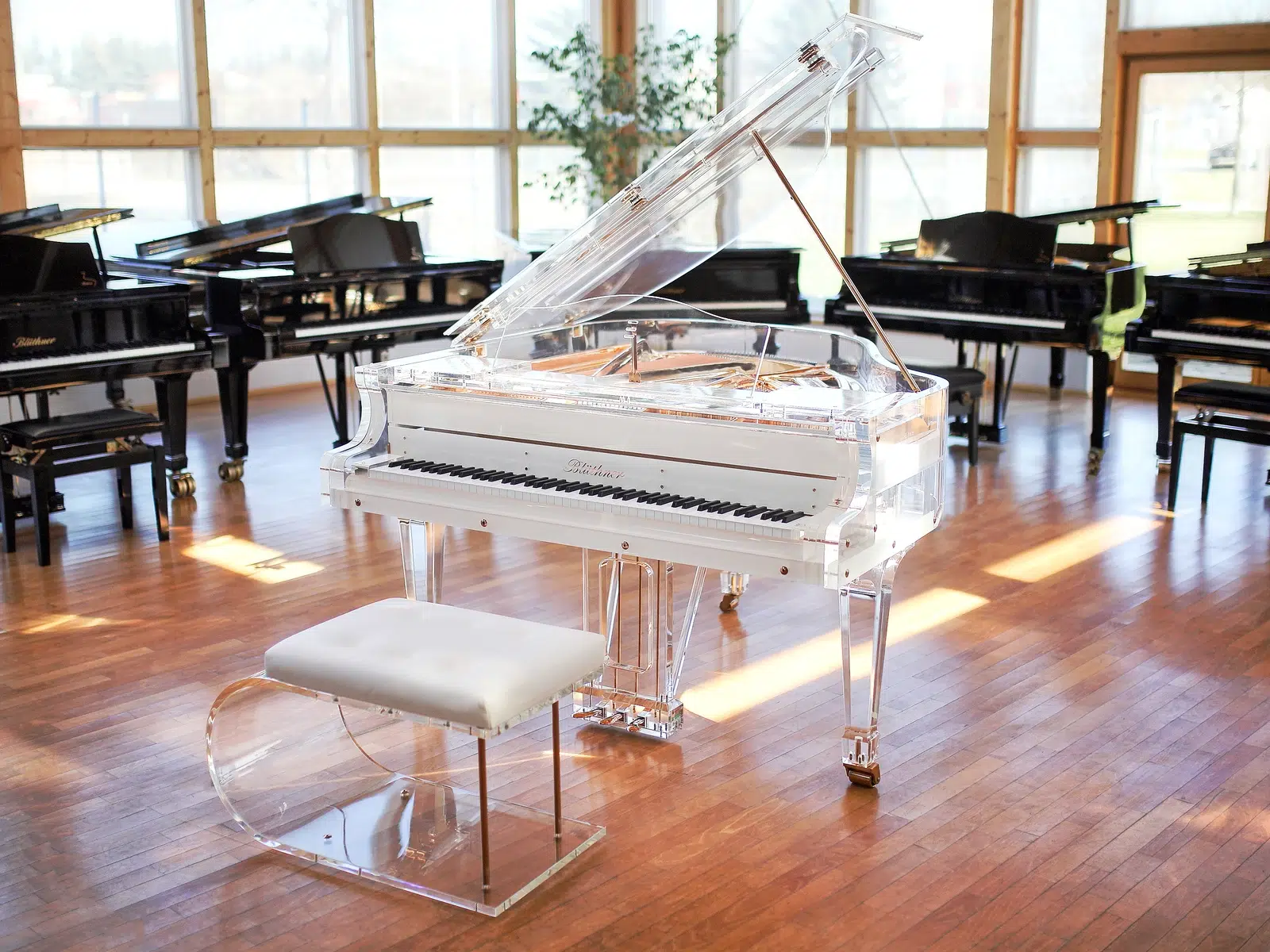
A piano can look impressive and still be a poor instrument. The biggest mistake people make is buying with their eyes instead of their ears and hands.
Is a Baby Grand Piano Worth It?
This is the part people care about most.
Is a baby grand piano worth it?
Sometimes.
If someone in your home is playing regularly, progressing, and genuinely engaged, the experience of a grand piano can be motivating. The sound and touch do matter over time.
But if you’re early in the journey, or still figuring out consistency, it’s not necessary.
A better piano does not replace practice.
Who Should Actually Buy a Grand Piano?
A grand piano makes sense if:
You or your child are committed long-term
You have the space for proper placement
The cost is comfortable, not stressful
You value the playing experience, not just the appearance
Otherwise, it’s usually better to start with something simpler and upgrade later.
Common Mistakes People Make
This comes up a lot in Los Angeles families:
Buying too early
Choosing based on appearance
Not measuring space properly
Underestimating maintenance
Assuming a better instrument creates faster progress
The last one is the most common.
The “Free Piano” Trap
You’ll sometimes hear: “Someone is giving away a grand piano for free.”
This usually isn’t a gift. It’s a handoff.
Moving a grand piano can cost:
- $400–$1,700 for a baby grand
- $1,200+ for a concert grand (one way)
- Around $250 for an upright
- Plus ~$50 per stair
So when a piano is “free,” it’s often because moving it costs more than it’s worth.
Not Bringing Someone Who Knows What They’re Hearing
If you’re not a pianist, don’t evaluate a piano alone.
On the surface, many pianos sound “fine.” The real differences show up in things most non-players won’t notice right away, like touch consistency, control, and how the tone holds over time.
Bring someone you trust. Maybe a teacher, pianist/musician, technician, or someone whose ears and knowledge you trust.
They can quickly spot issues like uneven keys, weak bass response, or signs of internal wear that aren’t obvious.
A 10-minute check from the right person can save you thousands.
If that’s not possible, it’s usually safer to stick with a new, reputable brand rather than guessing on a used instrument.
Ignoring Ongoing Costs
In my experience, the biggest cost mistake people make isn’t the purchase price; it’s everything after.
Maintenance, tuning, and moving add up quickly, especially if the instrument isn’t in great condition to begin with.
If you want the instrument to hold value, upkeep isn’t optional.
A Quick Note (Because This Actually Matters More)
If you’re even considering buying a grand piano, it usually means someone in your home is serious about learning.
That’s great.
But here’s what I’ve seen over and over again teaching in Brentwood, Westwood, and Tarzana:
The instrument matters.
But the guidance matters more.
Students with consistent, structured lessons improve faster on simple instruments than students with expensive pianos and no direction.
If you’re at that stage, this is where we can help.
At Angeles Academy of Music, we offer private 1-on-1 piano lessons, both in-person in Los Angeles and online.
How to Choose the Right Grand Piano (Without Regretting It Later)
So you’ve gone from “that looks nice”
to “okay… what if I actually buy one?”
This is where things can either go really well… or get expensive fast.
Because once you start looking at grand pianos for sale, everything starts to sound impressive. Every piano is “rich,” “warm,” “resonant,” “concert-quality.”
None of that helps you decide.
So let’s simplify what actually matters when buying a grand piano.
Step 1: Start With Your Reality (Not the Piano)
Before brands, before tone, before anything:
Where is this piano going?
Not in a vague way. Literally:
- Which room
- How much open floor space
- Where the bench goes
- Where people walk
A grand piano size isn’t just length. It’s presence.
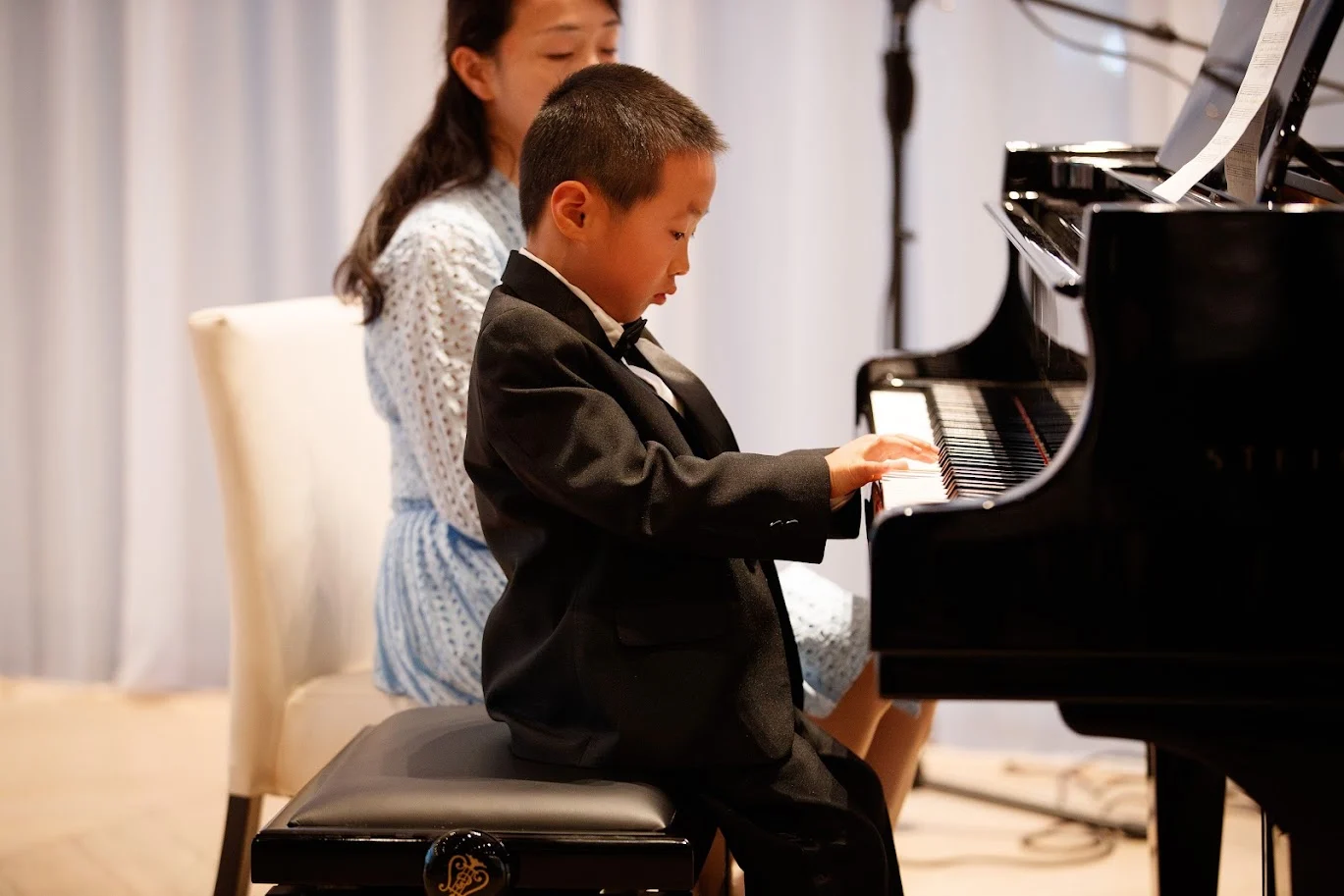
A 5-foot baby grand piano doesn’t sit in a 5-foot corner. It takes over a zone.
If placing it means rearranging your entire home, that’s already your answer.
Step 2: Play It (Even If You “Can’t Play”)
This sounds obvious, but people skip it.
You don’t need to be good at piano to test one.
Just do this:
Play a few low notes.
Play a few high notes.
Press a chord and hold it.
What you’re listening for:
- Do the low notes feel full or thin?
- Does the sound linger or disappear quickly?
- Does it feel easy or stiff under your fingers?
You’re not judging technique. You’re judging response.
Even beginners can feel the difference between a good grand piano and a bad one within 30 seconds.
Step 3: Understand Tone (Without Overthinking It)
You’ll hear this a lot:
“This piano is bright.”
“This one is warm.”
Here’s what that actually means:
- Bright = clearer, sharper, more defined (common in a Yamaha grand piano)
- Warm = softer, rounder, more blended (often associated with Kawai grand piano)
A Steinway grand piano tends to sit somewhere in between, but with more depth and complexity.
There is no “best” here.
It’s preference.
But if you’re buying for a home, most people prefer something slightly on the warmer side because it’s easier to live with day-to-day.
Step 4: New vs Used (Where People Get Burned)
This is where things get risky.
You’ll find plenty of:
- baby grand piano for sale
- used grand piano listings
- deals that look… suspiciously good
Here’s the truth:
A cheap grand piano is often not cheap.
It’s deferred cost.
Older pianos can have:
Worn-out action
Soundboard cracks
Tuning instability
Uneven touch
And unless you know what to look for, you won’t catch it.
So the rule is simple:
If you’re buying used, bring a technician.
If you’re not bringing a technician, don’t gamble.
Step 5: Brand Matters… But Less Than You Think
People obsess over: Yamaha vs Steinway vs Kawai
Here’s the grounded version: All three make excellent instruments.
The bigger differences come from:
- the specific model
- how well the piano is maintained
- how it feels to you personally
A well-maintained Yamaha baby grand piano will outperform a neglected high-end instrument every time.
So don’t buy a logo.
Buy the piano in front of you.

Step 6: Don’t Ignore the Hidden Costs
This is where most “grand piano cost” calculations fall apart.
You’re not just paying for the instrument.
You’re paying for:
Moving (these things are heavy and delicate)
Tuning (at least 1–2 times a year)
Maintenance over time
And yes, how much does a grand piano weigh matters here.
A typical baby grand piano weight is around 500–600 lbs.
That’s not something you casually relocate.
Step 7: The Question Most People Avoid
Be honest for a second. Who is going to play this piano… consistently?
Not the version of you that feels motivated today.
The version of you (or your kid) three months from now.
Because a grand piano is an amazing instrument.
But it doesn’t create discipline.
It amplifies it.
Additional Tips:
- Placement
Corners often work well for grand pianos in homes.
They help balance sound and save space.
Ideally:
Ground floor placement
Stable surface
Soundboard positioned properly (not trapped against walls)
- Take Help From Someone Experienced
If you’re not a pianist, don’t evaluate a piano alone. Get help from someone who’s purchased this before, or a pianist, musician, audio engineer, etc.
Final Thought
A grand piano is a serious investment.
Not just financially, but in how you use your space and your time.
When it’s the right fit, it’s an incredible instrument.
But most of the time, the better decision is simpler:
Start where you are.
Build consistency.
Then upgrade when it actually makes sense.
And if you’re someone in Los Angeles, and this whole conversation started because you (or your kid) are thinking about learning piano seriously, this is the part that matters more than the instrument.
At Angeles Academy of Music, we work with students across Brentwood, Westwood, and Tarzana, as well as online. We offer Private 1-on-1 lessons, tailored to the student.
.svg)
%202026%202027.jpeg)



.svg)

