.svg)
.svg)
.svg)
Ukulele Lessons Near You - Los Angeles
Fall Offer: 25% OFF First Four Lessons!
.webp)


Ukulele Classes Near You in Los Angeles
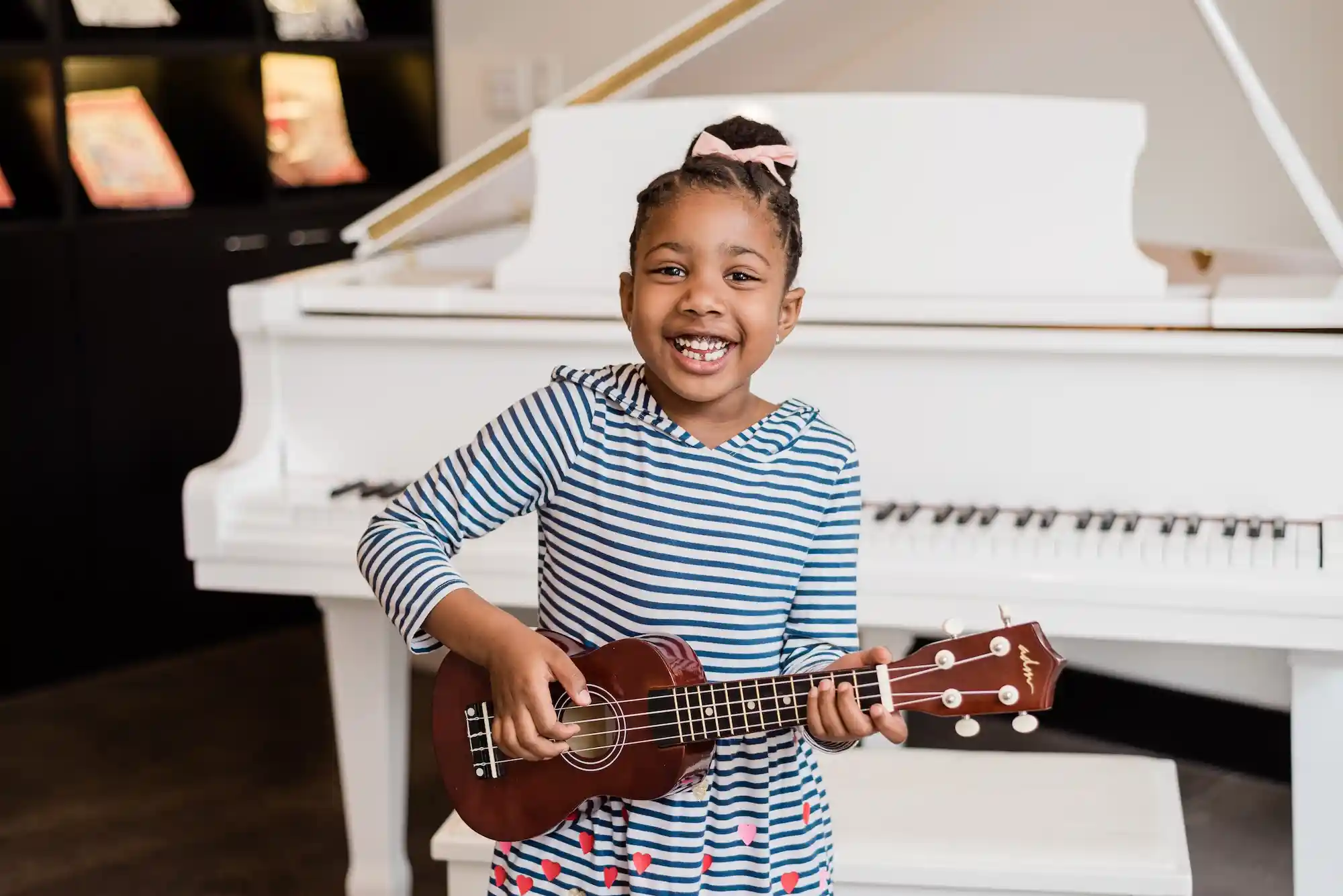
The ukulele is a fun, approachable instrument that brings music to life quickly. Its bright sound and simple feel make it a great choice for beginners of all ages. It’s also a wonderful first instrument to learn: easy to pick up, enjoyable to play, and gentle on the ears. With our specialized ukulele program, we offer a welcoming space where you or your child can learn this beautiful little instrument with confidence and joy.
Musical Styles & Approach
You will explore a variety of styles, including pop, folk, Hawaiian, light rock, singer-songwriter, and simple jazz and blues patterns. For kids and beginners, lessons often start with familiar songs that make learning feel fun and rewarding. As students grow more confident, they’re introduced to different rhythms, strumming styles, and musical feels.


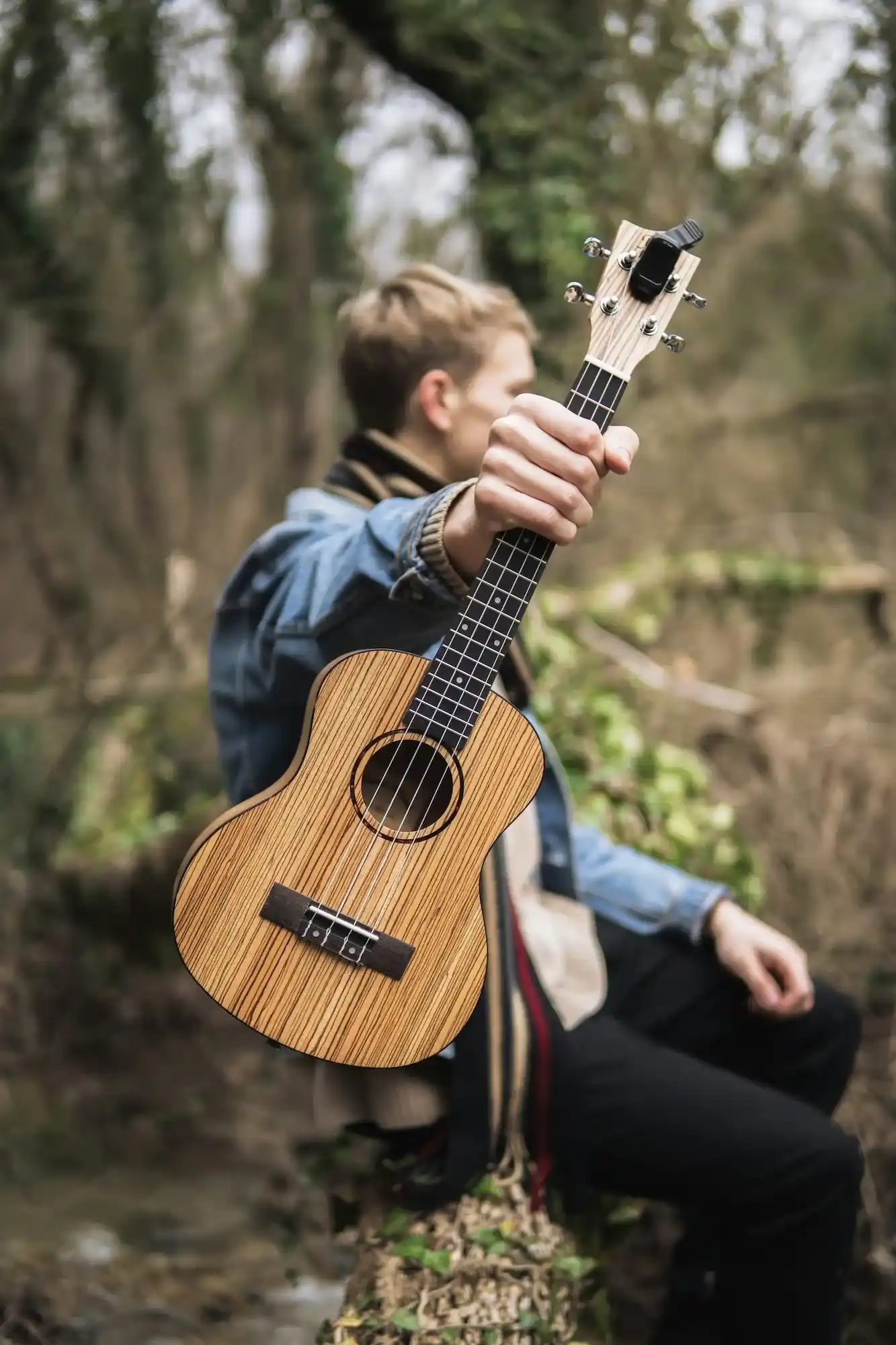
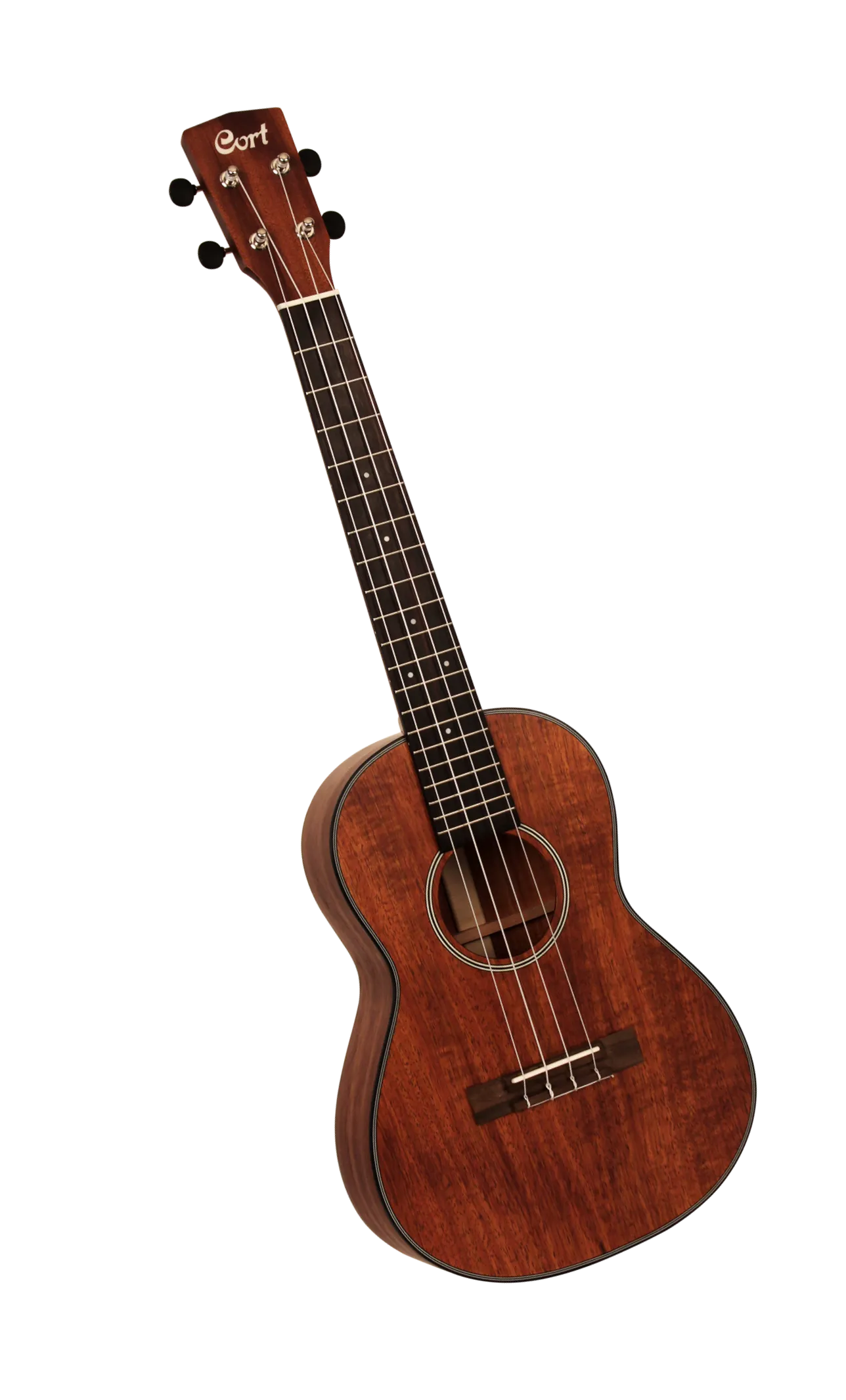
Ukulele Lessons for Beginners & Advanced Students: Kids & Adults
Ukulele
Classes For Kids


Ukulele
Classes For Adults
Month To Month Lessons


What You'll Learn in Our Los Angeles Ukulele Lessons
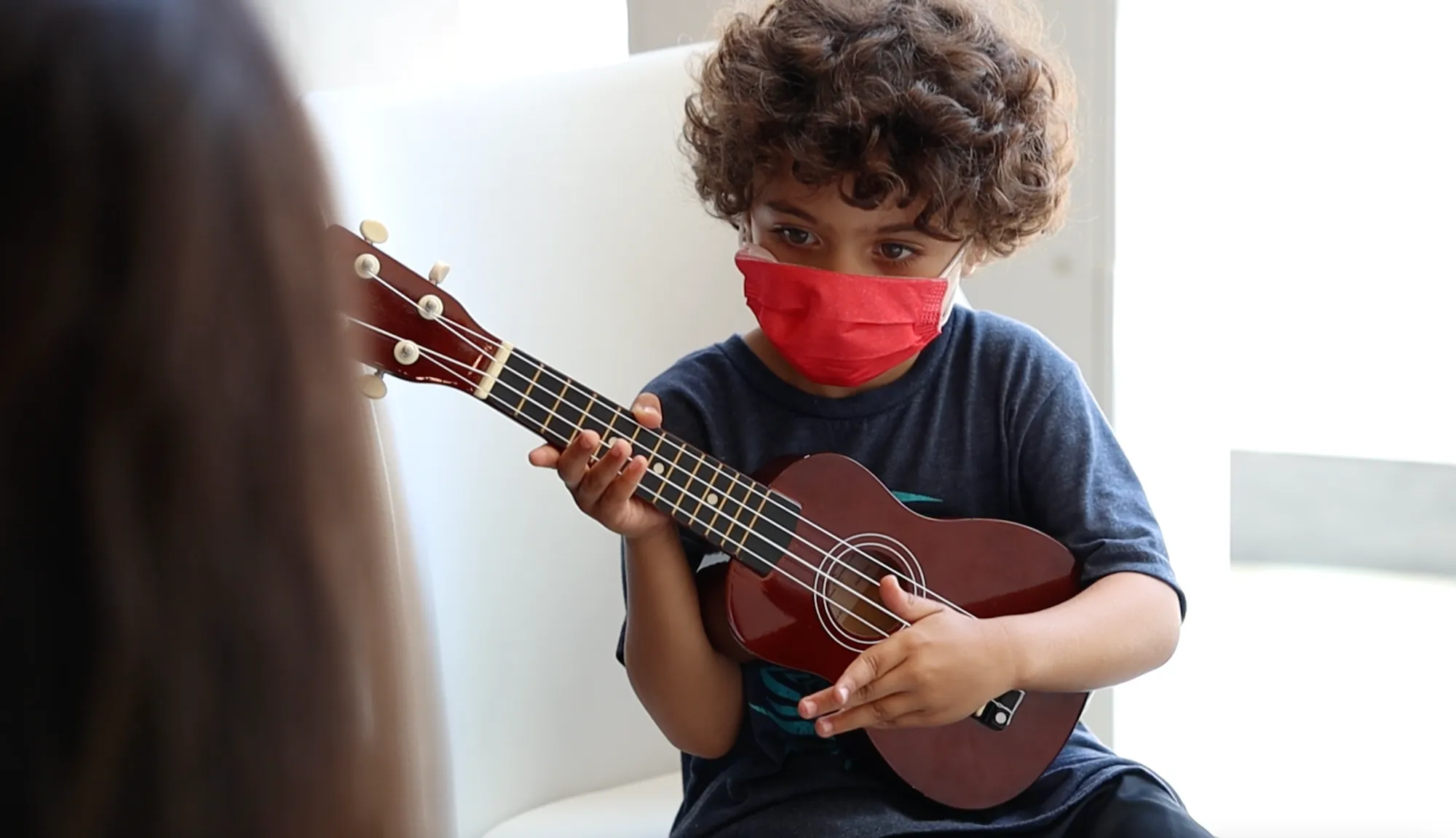
Basic Chords & Strumming Patterns (With Songs You Actually Enjoy)
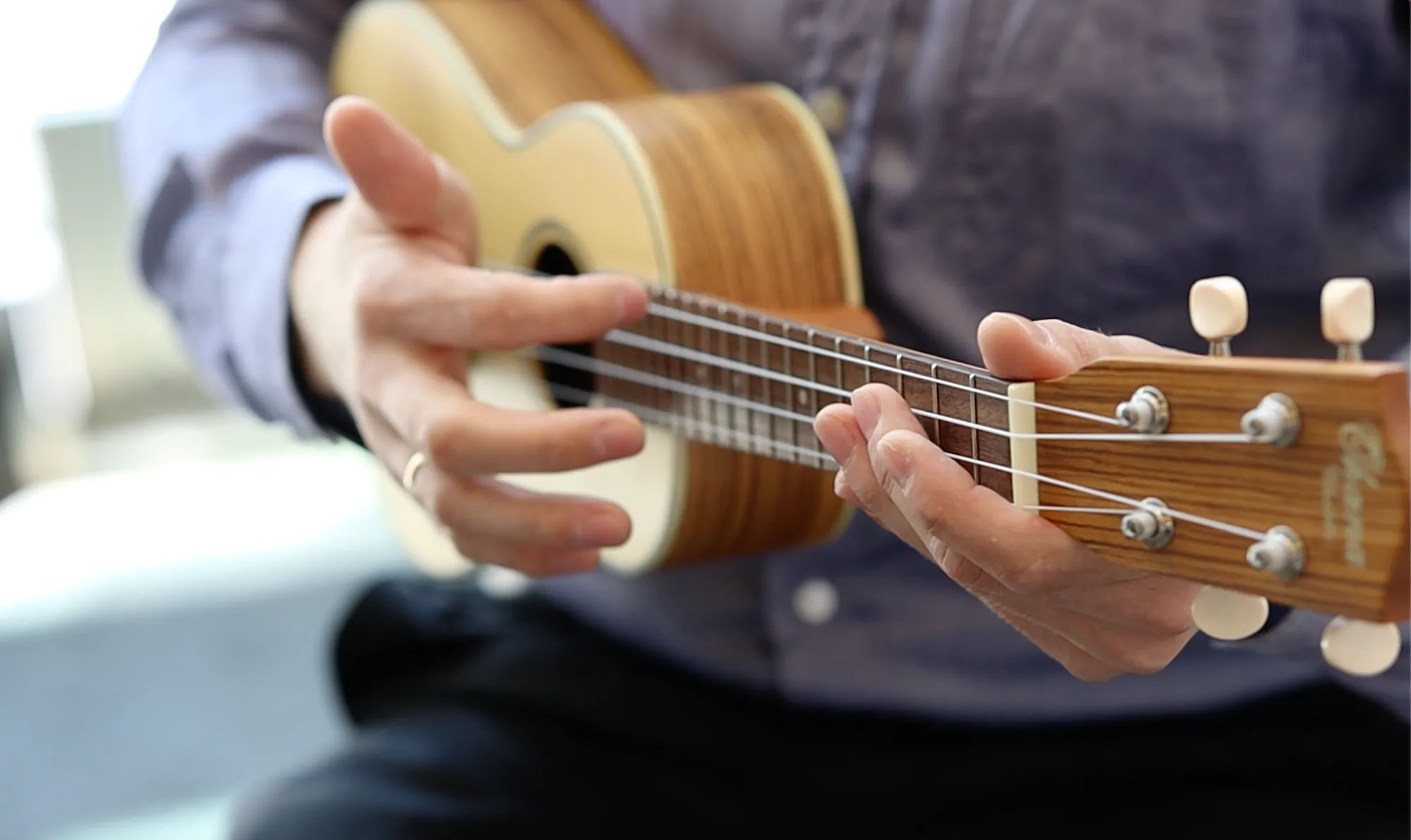
Smooth Chord Changes & Confident Rhythm
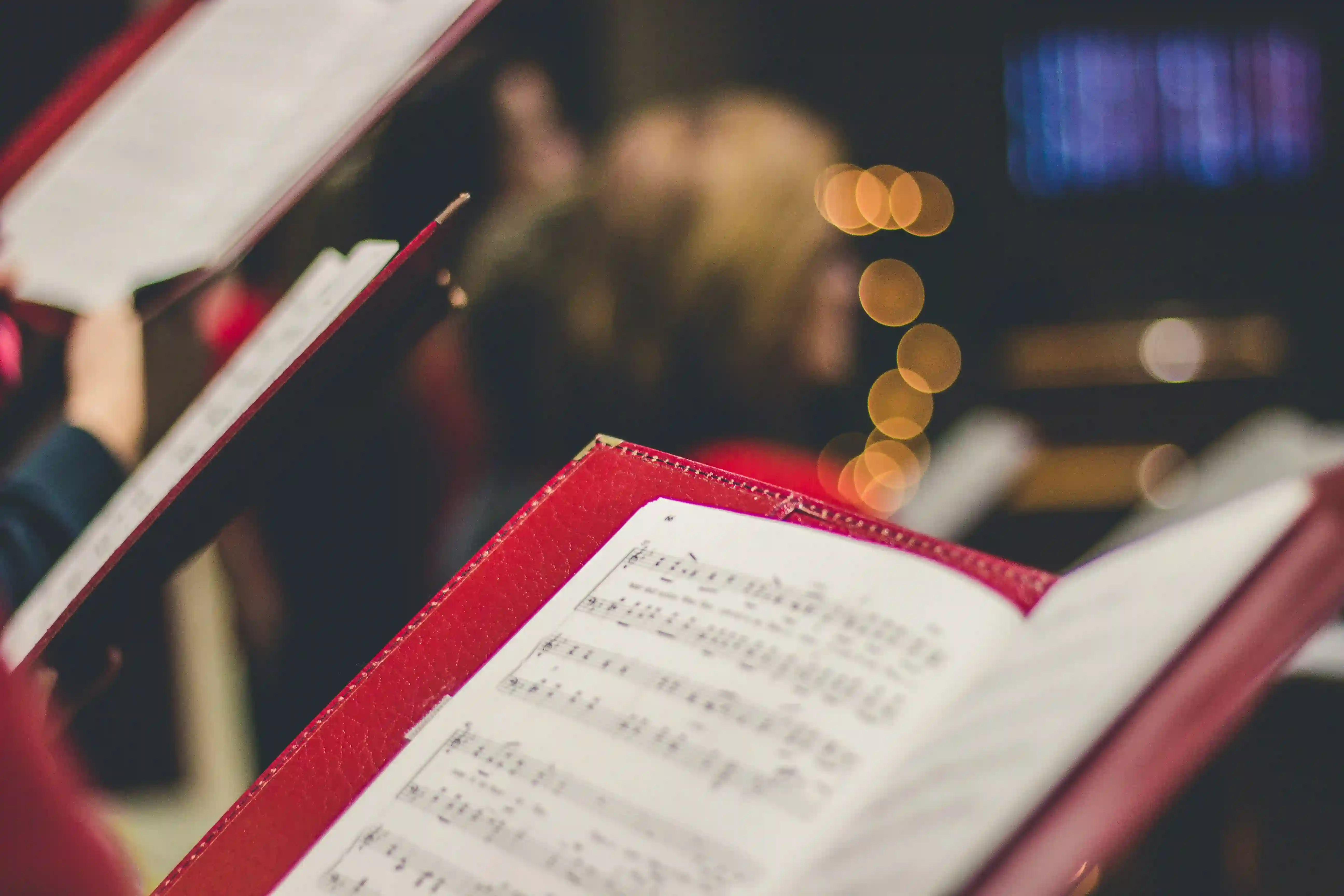
Music Theory
Fingerstyle Playing & Melody Control
Experienced Los Angeles Ukulele Instructors
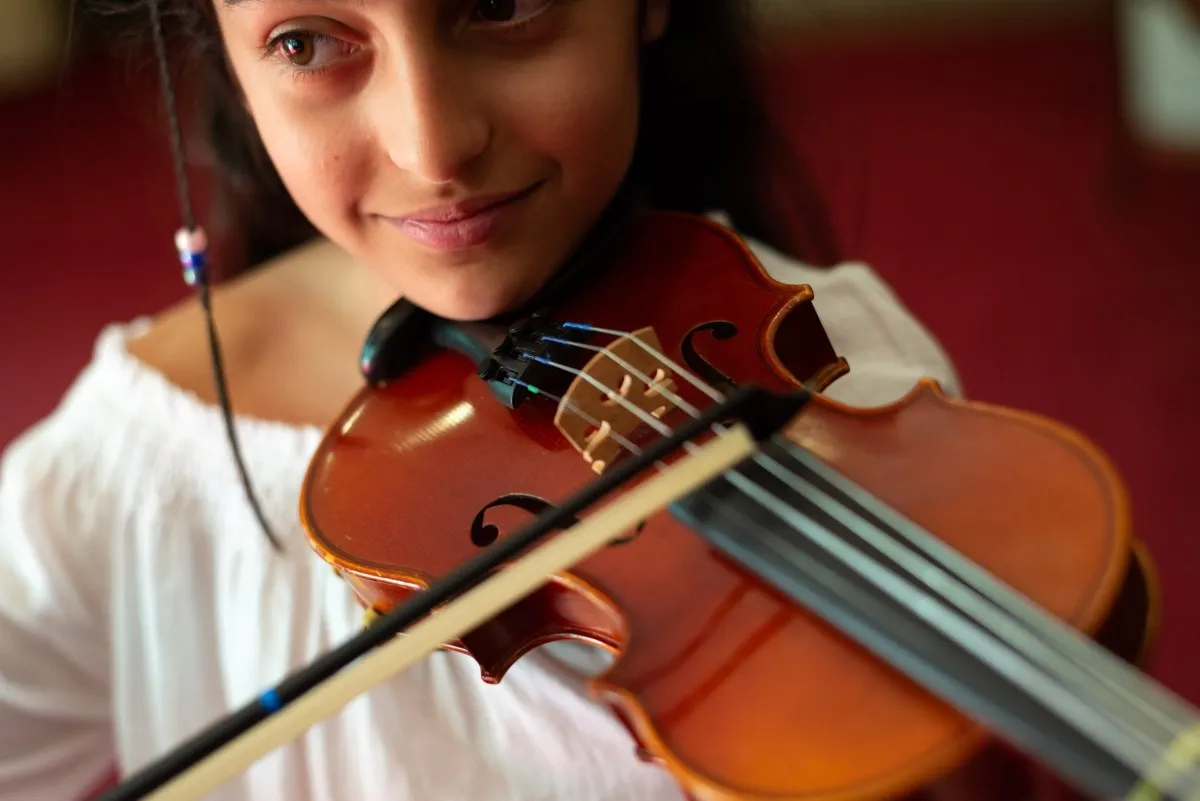
We choose instructors not just for their musical ability, but for their warmth, patience, and ability to connect with students of all ages. They know how to explain things clearly, adjust the pace when needed, and make lessons feel encouraging rather than intimidating. We help you grow naturally and make work feel like play.

Student Recitals


If you’re looking for ukulele lessons near you in Los Angeles that feel welcoming and safe, Angeles Academy of Music offers one-on-one instruction with patient, encouraging teachers who are experienced with younger students. Lessons are structured to keep kids engaged, build confidence, and make learning feel fun rather than overwhelming.
Most beginner ukulele students can start playing simple chords within the 3-4 few lessons. However, to play complete songs fluently, students need at least 1-3 months of consistent practice.
If you’re a beginner, the ukulele is usually the easiest place to start. It’s smaller, gentler on the fingers, and lets you play songs quickly. Its warm, bright sound works well for indie and relaxed music, though it’s less versatile than a guitar. An acoustic guitar offers more range but takes longer to get comfortable with. A guitalele is a great middle option. It’s ukulele-sized, has six strings, costs less than a full guitar, and lets you take guitar lessons.
In Los Angeles, there are several places that match this style, but one reliable option is Angeles Academy of Music. It offers the best beginner lessons in LA, and has many experienced teachers that work with adult beginners. They can guide you through meaningful songs from day one, and create lesson plans around your interests, whether that’s pop, folk, or classic campfire tunes.
While the ukulele is beginner-friendly, it’s also a serious instrument. As students progress, they can explore fingerstyle playing, advanced rhythm, and more expressive music. Many students continue growing musically long after the beginner stage.

.svg)
.svg)

.svg)
.svg)
.svg)
.svg)
Our Facilities


.svg)

A Community of Ukulele Players & Music Lovers
Ukulele students quickly become part of a welcoming mix of beginners and more experienced players, alongside students learning other instruments. Some are picking up a ukulele for the first time, while others are refining their sound, but everyone shares a love for making music. Students often learn from each other, jam together, share song recommendations, practice routines, and many end up playing together outside of lessons.
.svg)
.svg)
FIVE STAR!! Angeles Music Academy is beyond awesome!!! The staff are so professional and welcoming. The music teachers are so great and I have witnessed my daughter’s fast development in piano and her interest in music growing big that she is starting to learn singing as well.

.webp)

My son has been enrolled at Angeles Academy of Music for 2 months and we love it here. He is 7.5 and is taking piano lessons for the first time with Tori. She's amazing with kids and he is having fun and learning so much. I love how they tailor what he learns to his interests. Definitely recommend for families looking to introduce their kids to the joy of a musical education.
.webp)
This is the most supportive environment I have ever found for music learning. The teachers and staff are really amazing and welcoming. The school has very high standards AND a very fun environment. I love this school.
.webp)
FIVE STAR!! Angeles Music Academy is beyond awesome!!! The staff are so professional and welcoming. The music teachers are so great and I have witnessed my daughter’s fast development in piano and her interest in music growing big that she is starting to learn singing as well.
My son has been enrolled at Angeles Academy of Music for 2 months and we love it here. He is 7.5 and is taking piano lessons for the first time with Tori. She's amazing with kids and he is having fun and learning so much. I love how they tailor what he learns to his interests. Definitely recommend for families looking to introduce their kids to the joy of a musical education.
This is the most supportive environment I have ever found for music learning. The teachers and staff are really amazing and welcoming. The school has very high standards AND a very fun environment. I love this school.
.svg)
.svg)
Learning Resources
Expertly authored, practical articles published monthly to guide students, parents, and adult learners.

Speak with our team to find the right instructor and lesson schedule for you or your family.
Fall Offer: 25% OFF first 4 lessons!
.svg)

.svg)

