.svg)
.svg)
.svg)
.svg)
.svg)
If you're looking into your first digital piano or keyboard piano for beginners, you’ve probably noticed how many options there are.
At a glance, most of them look similar. Same layout, same promise. But once you sit down and play them, the differences become obvious pretty quickly.
You’ll see options under $200, then others closer to $700 or more, all labeled as beginner-friendly.
Most beginners we work with fall somewhere in between. They’re trying to find something that feels good to play, fits in their space, and doesn’t feel like a waste if it sits unused after a few months.
This guide is for kids starting lessons for the first time, adults picking it up after years, and parents trying to choose something that makes sense without overcomplicating it.
We’ll walk through the best digital pianos and beginner keyboard options that actually work in real homes, apartments, and practice routines.
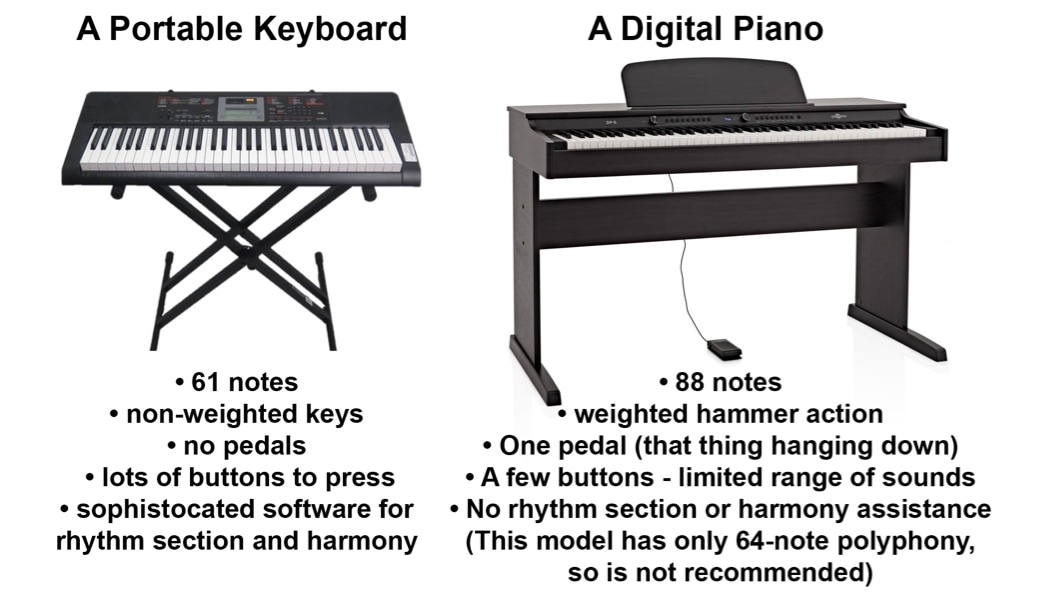
Digital Piano vs Keyboard (What You’re Actually Choosing Between)
In practice, it comes down to how the instrument feels and how it fits into your routine.
A digital piano is built around piano playing. You’ll usually get:
- Full 88-key digital piano
- A weighted digital piano feels that responds more like a real piano
- A simple layout focused on playing, not features
A digital keyboard piano is more flexible:
- Often lighter and easier to move
- Usually fewer keys (61 or 76)
- More built-in sounds, rhythms, and functions
You’ll see these described as:
beginner keyboard piano, digital piano keyboard beginners, or keyboard piano for beginners.
They’re not worse. They’re just designed for a different kind of use.
A digital piano is built for learning piano properly.
Lessons, techniques, real songs, and skills that transfer to an acoustic piano.
A digital keyboard piano is built for flexibility.
Good for beginners trying things out, playing simple songs, exploring sounds, or keeping things portable.
If you’re planning lessons, a digital piano with weighted keys usually fits better.
If you are just experimenting, are on a budget, or want something easy and low-commitment, a keyboard piano for beginners works fine to start.
Budget plays a role here, too.
If you’re not fully sure about committing, a 61-key beginner keyboard piano is easy to set up, inexpensive, and low-risk. It’s a common starting point.
If you’ve got an extra ~$100 to stretch your budget, moving toward a digital piano with weighted keys makes a noticeable difference in how it feels to play.
How Budget Changes Your Options
This is where things start to make more sense.
Under $300 (Entry-Level/Low Commitment)
This range is mostly keyboard piano for beginners and very basic digital keyboard piano options.
They’re easy to start with, especially for younger kids or if you’re not sure how long you’ll stick with it. Lightweight, simple, and usually packed with features.
The tradeoff is in the feel. Keys are usually not fully weighted, so it doesn’t quite match a real piano experience.
For short-term use or casual playing, it works.
$400–$700 (The Sweet Spot for Most Beginners)
This is where most recommended digital pianos sit.
You’ll start seeing:
- 88 key digital piano weighted keys
- More consistent key response
- Better overall playing feel
Models like the Yamaha P45, Roland FP10 digital piano, and similar options live here.
This price range tends to last longer. Many students stay on these instruments for a few years without feeling limited.
$700–$1200 (Long-Term Beginner to Intermediate)
This is where things start to feel more refined.
You’ll find:
- Stronger sound quality
- More stable key action
- Better build overall
Examples include models like the Roland FP-30X digital piano or Casio PX S1100 digital piano, which are often recommended as step-up options for beginners who already know they want to continue.
At this level, the instrument starts to feel closer to a digital upright piano experience, especially when paired with a proper stand.
How This Shows Up in Real Use
In lessons, the difference isn’t dramatic at first.
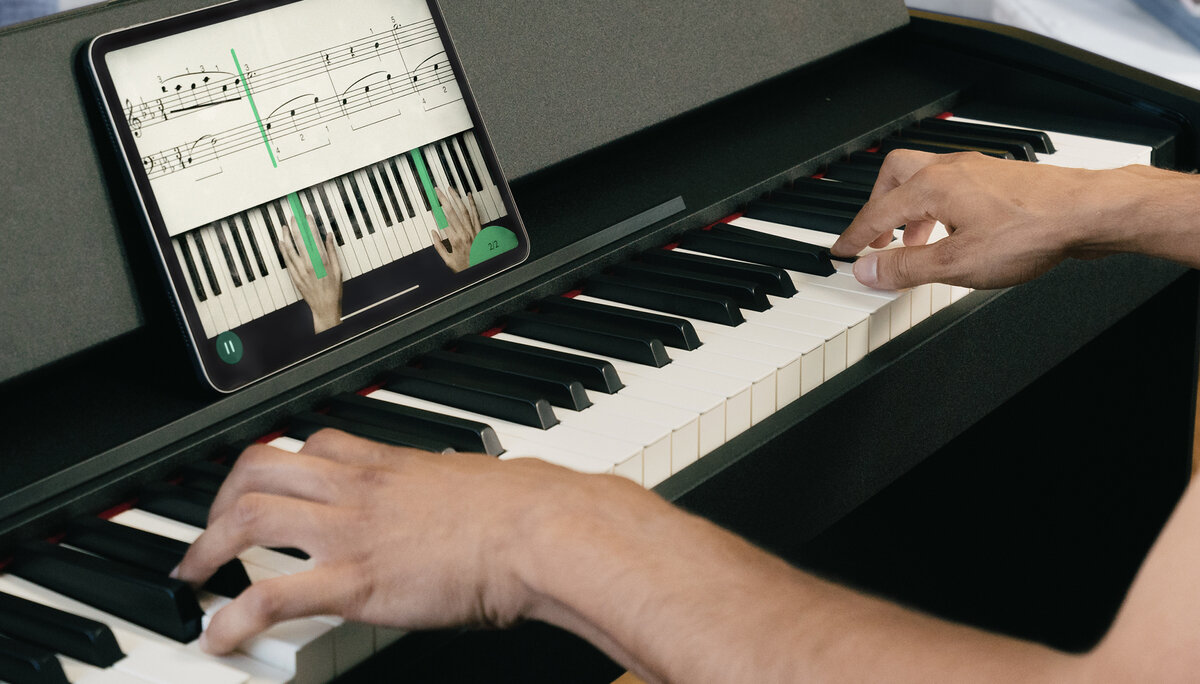
A student using a basic digital keyboard piano can still learn notes, rhythm, and simple songs. That part works fine.
With a digital piano with weighted keys, things tend to feel a bit more stable from the start. The keys respond more consistently, which makes practice feel smoother without needing to think about it.
Over time, that difference becomes more noticeable, especially once both hands are involved, or pieces get more dynamic.
Do You Need an 88 Key Digital Piano?
A full digital piano 88 keys setup gives you the full range of a traditional piano.
That means you don’t run into limitations later, and everything you learn transfers cleanly.
Smaller keyboards (76, 61, and even 49 keys) can still work early on. But we don’t recommend anything smaller than 49 keys. Those constraints limit hand movement, and you can’t possibly play with both hands on that. Even 49 keys are difficult to play with both hands.
But most students who continue past the early stage eventually move toward an 88 key digital piano weighted keys setup.
So it’s less about what’s required and more about how long you want your first instrument to carry you.
What Actually Matters When Choosing
Most listings focus on features. In practice, a few things matter more.
A weighted key digital piano tends to feel more predictable, especially during longer practice sessions.
Headphones matter more than expected, especially in apartments around LA. Nearly every portable digital piano includes this, but it becomes part of daily use quickly.
And space plays a role. Some go with a compact digital piano that can be moved easily. Others prefer a digital upright piano that stays in place and feels more permanent.
Before We Get Into Specific Recommendations…
If you’re looking for piano classes in Los Angeles, we offer private 1:1 lessons at Angeles Academy of Music.
We have three locations across LA (Brentwood, Tarzana, and Westwood), so it’s easy to find something close to you.
Most beginners start here while they’re still figuring out their instrument, and we help you get set up, build a solid foundation, and move forward without overthinking every step.
Best Digital Piano vs Keyboards List (Beginner Recommendations)
At this point, most beginners are deciding based on three things:
how it feels, how long it will last, and whether it fits the budget.
Below are the best digital pianos and keyboard piano for beginners options that consistently work well in real use.
Quick Overview: Side-by-side comparison
Note: Angeles Academy of Music doesn’t recommend buying off-brand keyboards/pianos as they may have quality issues and may not last that long.
How to Actually Use This Table:
Most people skim tables like this but don’t know what to do with it. Here’s the simple read:
- If you’re planning lessons → focus on the top half (88 keys, weighted)
- If you’re unsure or testing interest → bottom half (61/76 keys)
- If you want something that lasts → FP-30X or PX-S1100
[By “lasting,” we mean heavy-duty commercial utility, which most of you may not need to worry about] - If you just want something that works → Yamaha P45
Also notice the pattern:
Anything under ~$300 is a keyboard
Anything ~$400+ starts becoming a real digital piano
Now, let’s look at deeper comparisons.
Best Digital Pianos for Beginners
If You Just Want a Safe, No-Stress Start
Yamaha P45 / Yamaha P45B
Price: ~$450–$550
Keys: 88 weighted
Rating: 9/10
Buy here

This is the most “no-regret” digital piano for beginners.
It shows up again and again because it doesn’t create problems later.
What I’ve seen with students is simple. When someone starts on a Yamaha P45, lessons move forward without friction. The keys respond in a predictable way, and that removes one variable from an already new experience.
There’s nothing flashy here. No extra features, no distractions. That’s part of the appeal.
Best for:
Parents or adult beginners who don’t want to overthink the decision and just want a reliable 88-key digital piano
My take:
If you’re stuck choosing between five models and can’t decide, this is usually the one that just works.
If You Care About How the Keys Feel (Even as a Beginner)
Roland FP10 Digital Piano
Price: ~$400–$500
Keys: 88 weighted
Rating: 9.2/10
Buy here
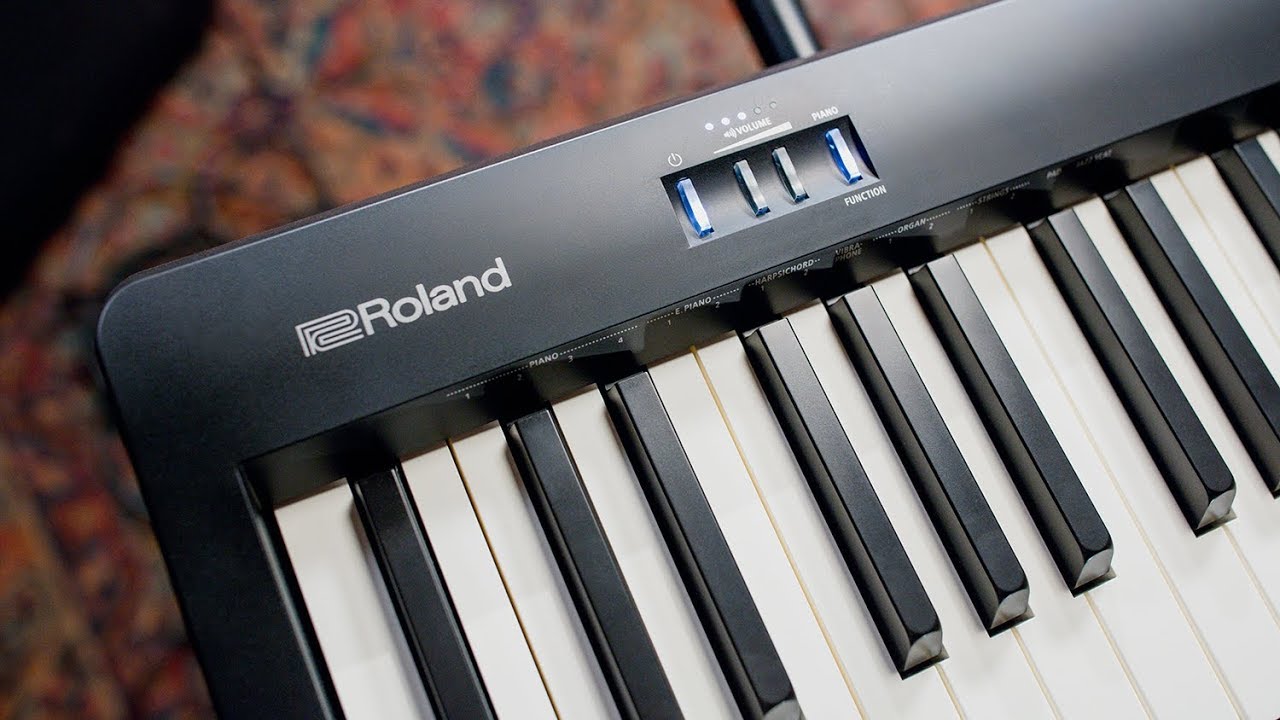
This is the one people notice after they play it.
The Roland FP10 digital piano has a slightly heavier, more grounded feel compared to most beginner models. That difference doesn’t matter on day one, but it starts to matter once both hands are involved and dynamics come in.
Students who start here tend to develop control a little more naturally.
Best for:
Beginners who are already a bit detail-oriented or want something closer to an acoustic feel
My take:
Between this and the Yamaha P45, it usually comes down to preference. Yamaha feels lighter and simpler. Roland feels more “piano-like.”
If You Don’t Want to Upgrade in a Year
Roland FP-30X Digital Piano
Price: ~$650–$750
Keys: 88 weighted
Rating: 9.4/10
Buy here
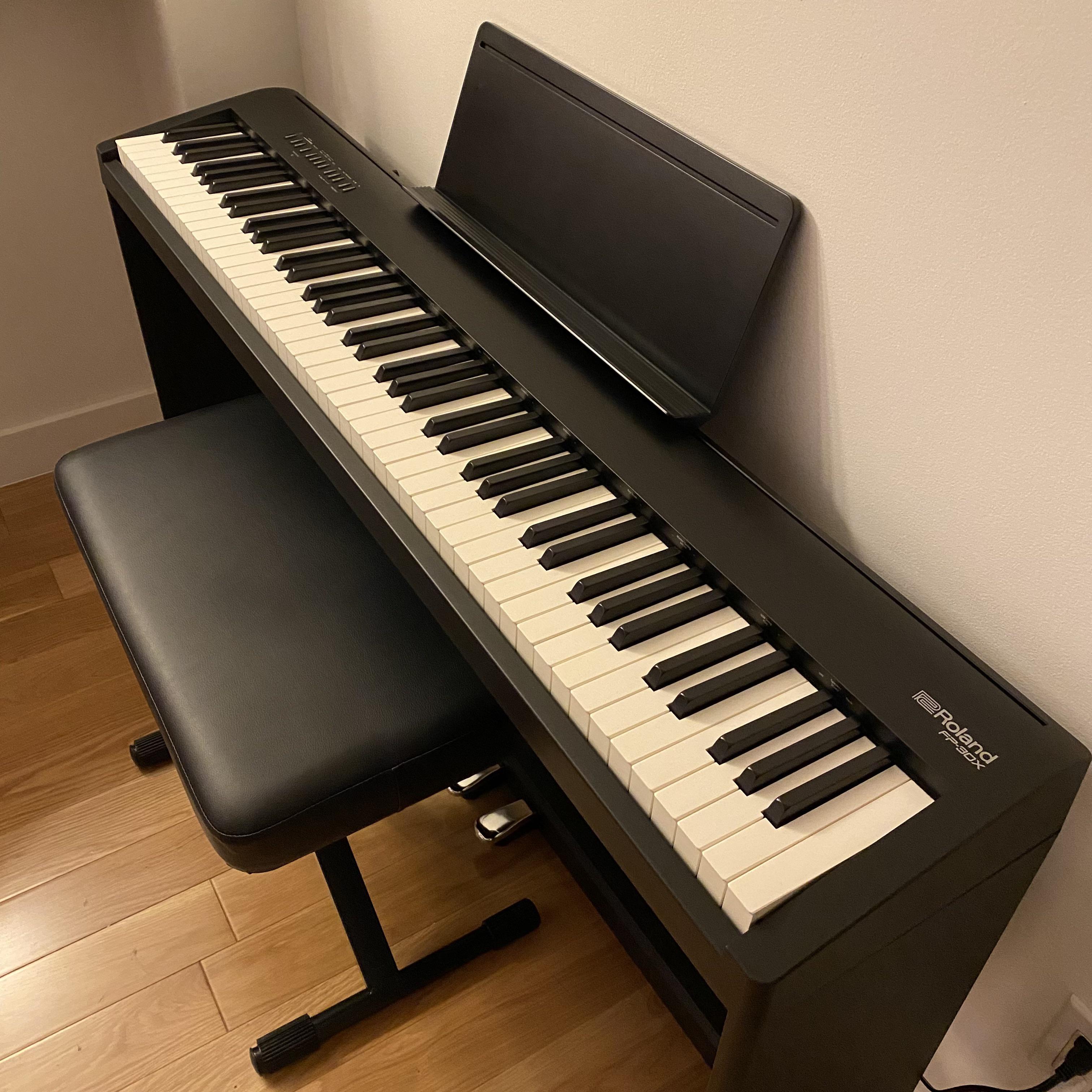
This is where beginners skip the “entry-level phase.”
The Roland FP-30x digital piano doesn’t feel like a starter instrument. It feels complete from the beginning.
Students who start here usually don’t come back asking about upgrades six months later. It holds up as pieces get more expressive and demanding.
Best for:
Families who already know lessons will continue, or adult learners who don’t want to revisit this decision
My take:
If the budget allows, this is one of the most practical long-term choices.
If Space Is Tight (Apartments, Shared Rooms)
Casio PX-S1100 Digital Piano
Price: ~$650–$700
Keys: 88 weighted
Rating: 9.1/10
Buy here
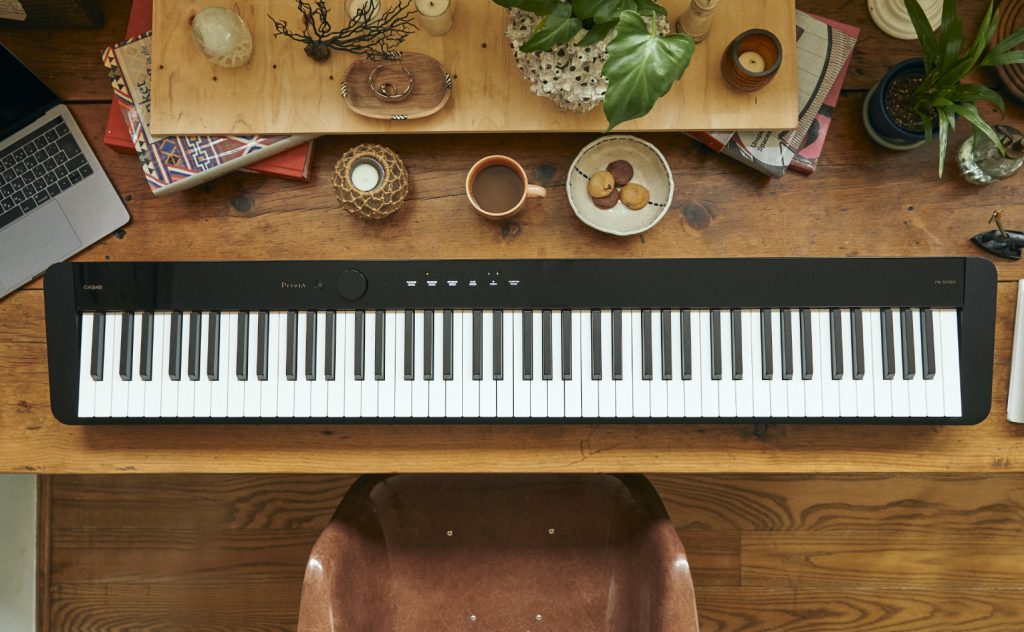
This comes up a lot in LA for a reason.
The casio px s1100 digital piano is noticeably slimmer than most digital pianos, and that changes how it fits into a room. It doesn’t dominate the space.
What matters is that it still functions like a full digital piano 88 weighted keys setup. You’re not trading usability for size.
Best for:
Apartments, shared living spaces, or anyone who doesn’t want a bulky setup
My take:
If space is part of your hesitation, this usually solves it.
If You Want Something Simple (No Overthinking)
Korg B2 Digital Piano
Price: ~$500–$600
Keys: 88 weighted
Rating: 8.8/10
Buy here
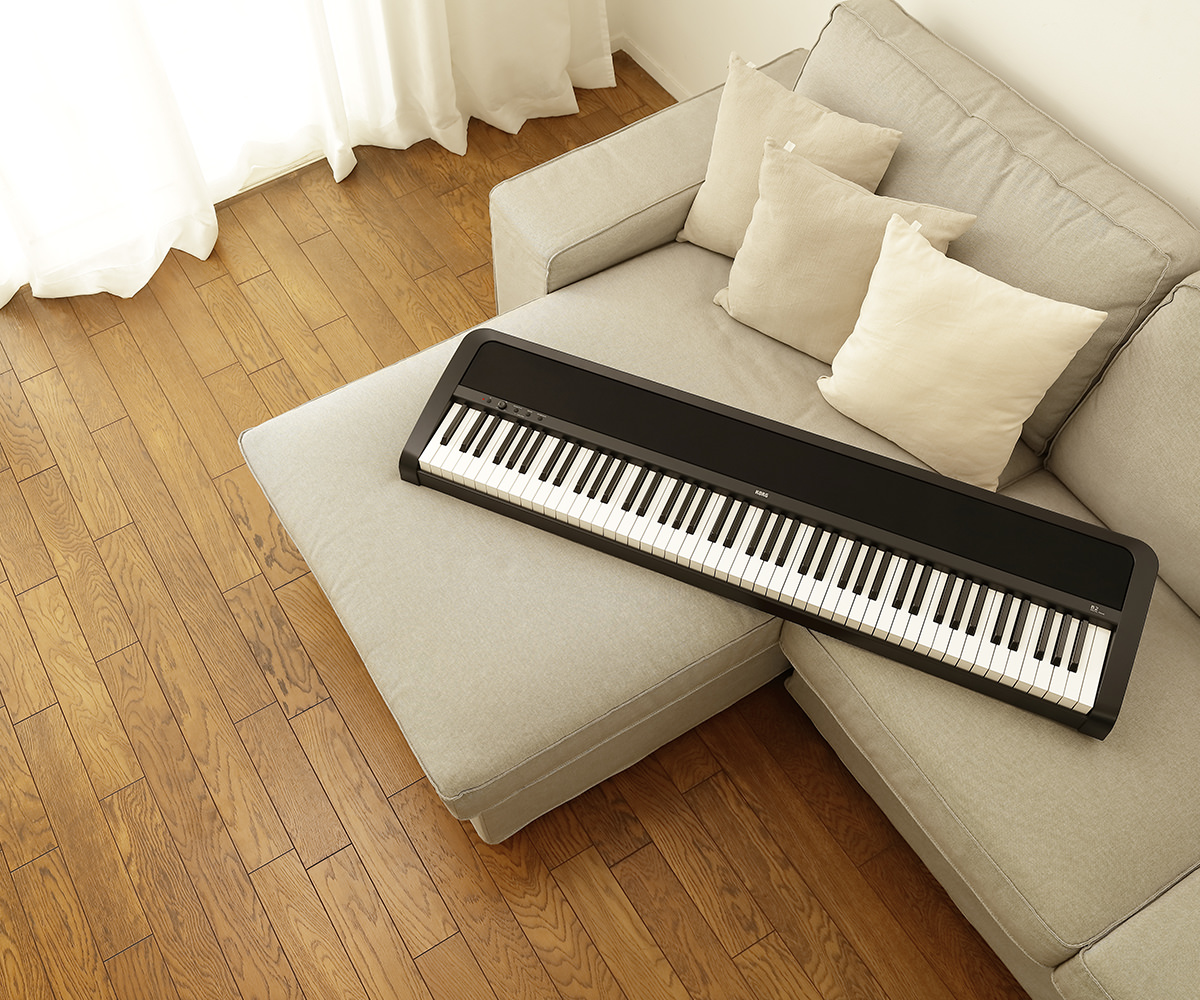
Some students do better when the instrument stays out of the way.
The Korg B2 digital piano is very direct. Power on, play, adjust volume. That’s it.
No menus to navigate, no distractions pulling attention away from practice.
Best for:
Beginners who prefer a clean, straightforward digital piano keyboard
My take:
Not the most refined option here, but one of the easiest to live with.
If You Want a Piano That Looks Great As Furniture…
Donner DDP-400 Professional Digital Piano
Price: ~$500–$700
Keys: 88 weighted
Rating: 8.5/10
Buy here
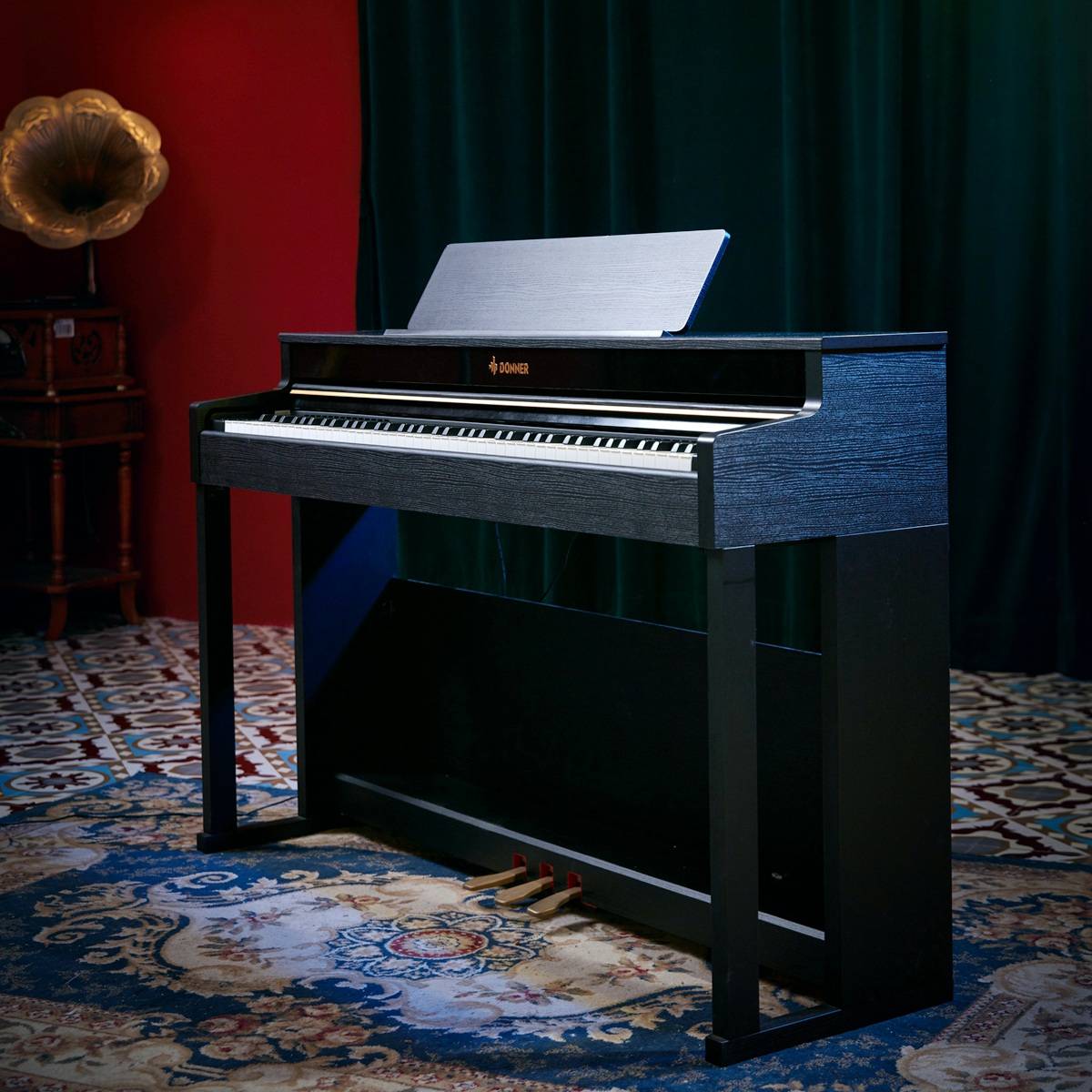
This one is less about performance and more about how it fits into the home.
The donner ddp-400 professional digital piano looks like a digital upright piano, and that changes how often people use it. It’s already set up, already part of the room.
From a teaching standpoint, it’s fine to start on. Not as consistent as Yamaha or Roland, but workable.
Best for:
Families who want a permanent setup rather than a portable digital piano
My take:
People practice more when the instrument is already there. This leans into that.
Keyboard Options (61 & 76 Keys)
(If You’re Not Ready for a Full Digital Piano Yet)
A keyboard piano for beginners is fine to start on. It just serves a different stage.
If You Want the Lowest Commitment Option
Casio CT-S300 (Affordable Yet Plays Great)
Price: ~$150–$250
Keys: 61 (touch-sensitive)
Rating: 8.2/10
Buy here
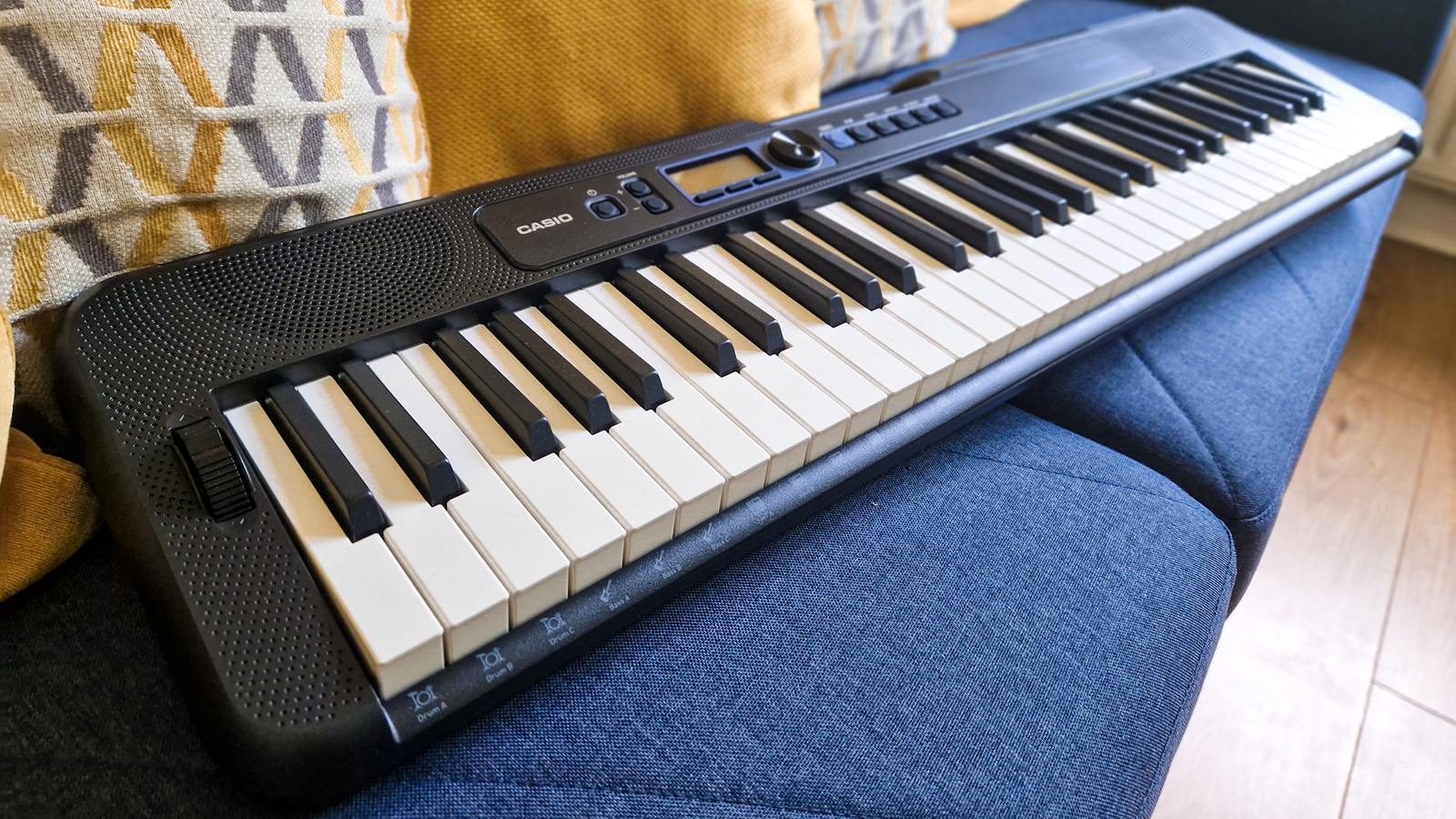
This is often where younger students start.
It’s light, easy to move, and doesn’t feel like a big investment. You can set it up on a table, put it away, bring it back out.
It also keeps things engaging. Different sounds, rhythms, built-in patterns.
Best for:
Kids or beginners who are just trying piano out
My take:
Good starting point. Just understand it doesn’t feel like a real piano.
If You Want More Guidance Built In
Yamaha PSR Series (PSR-E373, etc.)
Price: ~$180–$300
Keys: 61 (touch-sensitive)
Rating: 8.3/10
Buy here
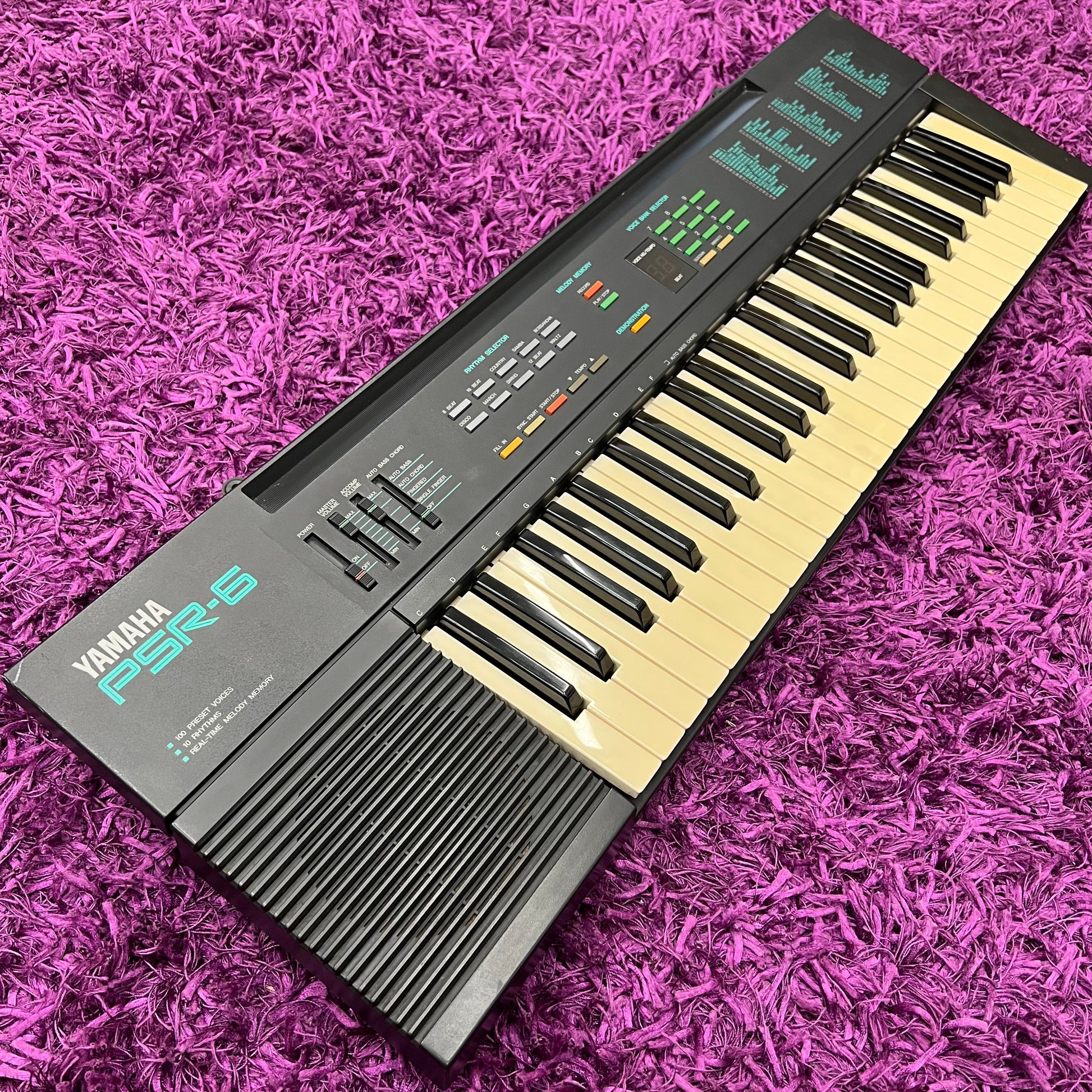
These are probably the most common keyboard piano for beginners you’ll see in homes.
The Yamaha PSR series is designed to guide beginners a bit more than a typical keyboard. Built-in lessons, visual feedback, and structured modes make it easier to get started without a teacher sitting next to you.
That shows up especially in the first few weeks. You’re not just pressing keys randomly, there’s some direction built in.
Best for:
Self-learners, kids, or anyone who wants a guided start with a beginner keyboard piano
My take:
This is one of the better starting keyboards if you’re not taking lessons right away. It helps you stay consistent early on.
But once lessons begin or pieces get more involved, most students start noticing the limitations and move toward a digital piano with weighted keys.
If You Want More Keys Without Going Full 88
Yamaha YPG-235 (76 Keys)
Price: ~$250–$400
Keys: 76 (semi-weighted)
Rating: 8.4/10
Buy here
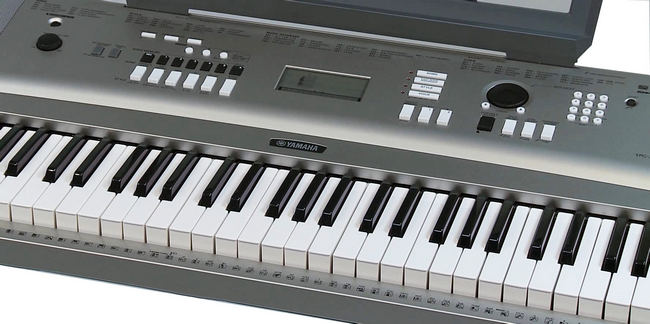
This sits in between a beginner keyboard piano and a full 88 key digital piano.
You get more range, which helps once songs expand beyond basic positions.
It still stays lighter and easier to manage than a full digital piano.
Best for:
Adult beginners who want flexibility without committing to a full setup
My take:
A reasonable middle step, but most people eventually move to 88 keys.
If You Like Exploring Sounds (Not Just Piano)
Casio CT-X700
Price: ~$200–$300
Keys: 61 (touch-sensitive)
Rating: 8.3/10
Buy here
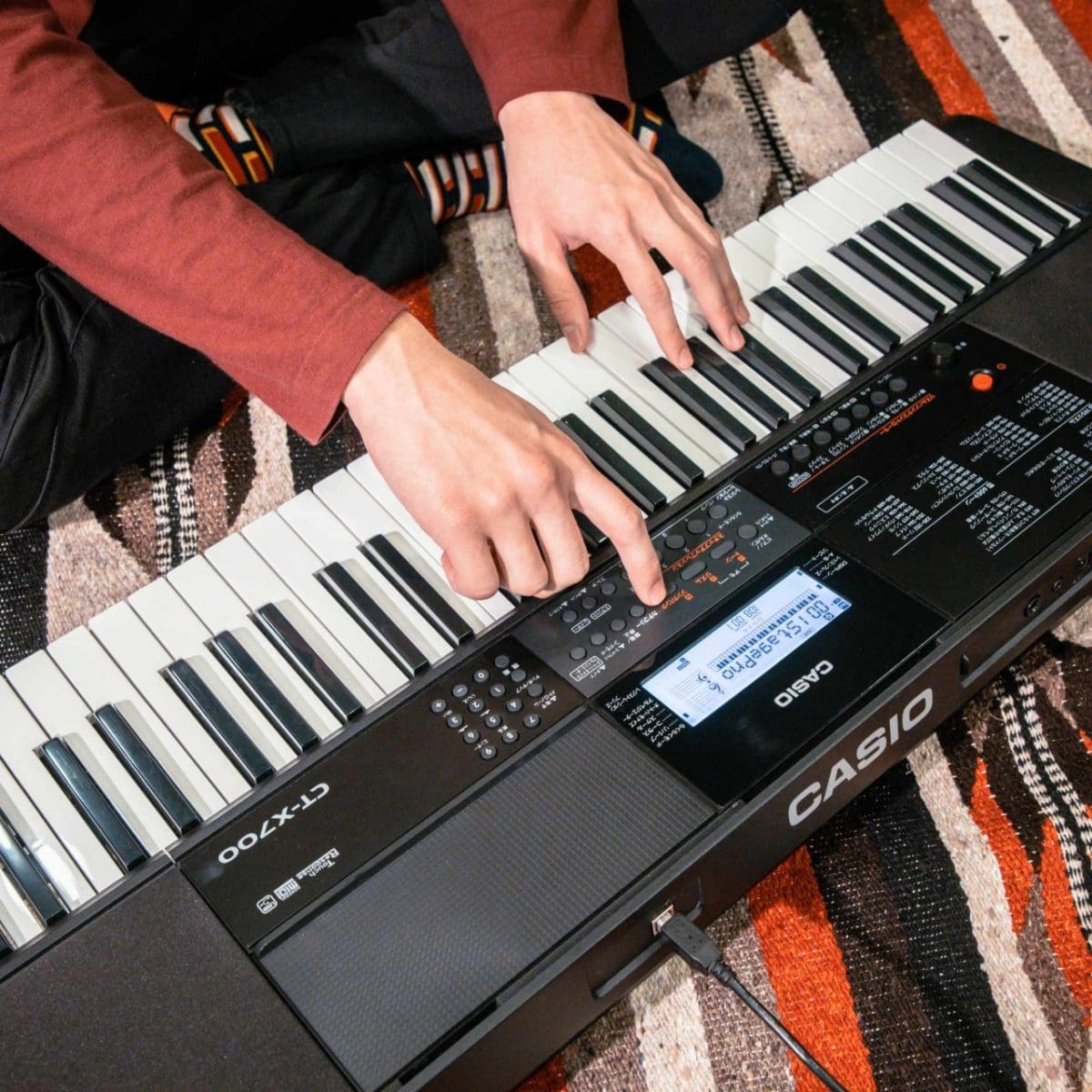
The Casio CT-X700 leans more toward flexibility and sound variety than structured learning.
It comes with a huge range of tones and rhythms, so it feels more like a “music playground” than a strict piano instrument.
That’s useful for beginners who get bored easily or want to experiment beyond just piano sounds.
Best for:
Beginners who want to explore sounds, play around with different styles, or treat this as a creative instrument
My take:
This is fun. That’s its biggest strength.
But if your goal is specifically learning piano technique, it’s not the most direct path. The keys are lighter and don’t build the same control you’d get from a weighted digital piano.
It works well as a starting point, especially on a tight budget. Just go in knowing it’s more of a stepping stone than a long-term piano.
FAQs (What People Actually Ask about Beginner Pianos)
Is a Digital Piano Better Than a Keyboard for Beginners?
If your goal is to properly learn piano and stick with it for long term, a digital piano is usually the better choice. If you are just experimenting or don’t want to spend a lot, a keyboard is better for you.
A digital piano 88 weighted keys setup gives you the same layout and feel as a real piano. That means everything you practice translates directly, whether you're playing simple songs or progressing into more structured lessons.
A keyboard piano for beginners can still work, especially early on. It’s lighter, cheaper, and easier to set up. Many beginners start there.
Where the difference shows up is over time. As pieces get more involved, the limited key range and lighter feel of a keyboard start to become noticeable.
Do I Really Need 88 Keys as a Beginner?
Not immediately, but it depends on how far you plan to go.
A 61-key keyboard piano is enough for basic learning. You can play melodies, chords, and early songs without issue.
A full 88 key digital piano gives you room to grow. You won’t run into limitations, and you won’t need to adjust later.
Most students who continue learning eventually move to an 88 key digital piano weighted keys setup. Starting there just removes that extra step.
How Much Should I Spend on a Digital Piano?
Most beginners fall into three ranges:
- $150–$300 → basic keyboard piano for beginners (61 keys, lighter feel)
- $400–$700 → the sweet spot for a proper digital piano with weighted keys
- $700–$1200 → longer-term digital pianos that don’t need upgrading soon
The $400–$700 range is where most of the best digital pianos sit. That’s where models like the Yamaha P45, Roland FP10 digital piano, and similar options live.
Spending less can work short-term. Spending slightly more upfront often means you won’t need to replace the instrument in a year.
Can You Learn Piano on a Keyboard?
Yes, especially in the beginning.
A beginner keyboard piano lets you learn notes, timing, and coordination. For younger students or casual learners, it’s a completely reasonable starting point.
What it doesn’t fully replicate is the feel of a piano. A digital keyboard piano with non-weighted keys won’t build the same finger control as a weighted digital piano.
That’s why many students start on a keyboard and later switch to a digital piano keyboard 88 keys setup once they get more serious.
What’s the Best Digital Piano for Beginners?
The “best” depends on what you need, but a few models consistently stand out:
- Yamaha P45 / Yamaha P45B → simple, reliable starting point
- Roland FP10 digital piano → stronger key feel in the same range
- Roland FP-30X digital piano → longer-term option
- Casio PX-S1100 digital piano → best for compact spaces
These show up in most digital piano reviews because they balance feel, reliability, and price well.
Is a Cheap Digital Piano Worth It?
A cheap digital piano can work, but there’s a limit.
Very low-cost options often compromise on key feel and consistency. That can make practice less comfortable over time.
If budget is tight, a basic keyboard piano for beginners can be a better short-term choice than a very low-quality digital piano.
If you can reach the $400–$700 range, you’ll get a much more usable digital piano with weighted keys.
Can I Practice Piano Quietly in an Apartment?
Yes, and this is one of the biggest advantages of digital pianos.
Most portable digital pianos and digital piano keyboards come with headphone outputs, so you can practice without external sound.
In apartments, especially around Los Angeles, this matters more than expected. It allows consistent practice without worrying about neighbors or shared walls.
Should I Buy a Used Digital Piano?
A used digital piano can be a good option if it’s from a reliable brand like Yamaha, Roland, or Casio.
You’ll often find slightly older models in the same price range as new entry-level instruments, but with better build quality.
The key is to check:
- key response (no uneven keys)
- speaker condition
- pedal and connections
If everything feels consistent, it can be a solid way to get more value.
What Accessories Do I Actually Need?
At minimum, most beginners end up using:
- A digital piano stand or stable table
- A sustain pedal (often included)
- Headphones
- A comfortable bench
These don’t need to be complicated, but they make practice more consistent.
Final Thoughts
If you’ve made it this far, you probably already have a sense of what direction you’re leaning.
A digital piano is usually the better long-term choice for learning.
A keyboard piano for beginners works well as a starting point if you want something simple and flexible.
Most beginners eventually move toward a digital piano 88 weighted keys setup. The only real question is whether you start there or get there later.
If you’re still deciding, this is something we help students with every week.
At Angeles Academy of Music, we work with beginners at all stages. Some come in with a beginner keyboard piano, others already have a full digital piano keyboard, and we help them make the most of whatever they’re using.
It usually takes a few minutes of playing to know what feels right. And we also offer 1-on-1 private piano lessons near you, if you are in LA. We are present in Brentwood, Westwood, and Tarzana. Feel free to visit us or our website.
Thank you.
About the Author
This guide was written by the piano faculty at Angeles Academy of Music in Los Angeles.
With years of teaching and playing experience and degrees from the most reputable music schools, our teachers regularly work with hundreds of beginners, from young students starting their first lessons to adults returning to piano after years away.
Much of the guidance in this article comes from real teaching experience. Seeing what students actually use at home, what helps them progress comfortably, and what tends to slow them down in the early stages.
.svg)
%202026%202027.jpeg)


.svg)

