.svg)
.svg)
.svg)
.svg)
.svg)
When most people in Los Angeles think about the ukulele, they picture sunshine, beach days, backyard barbecues, a kid in a school talent show, or that one friend who learned three chords during the pandemic and won’t stop playing. Fair.
But ukulele history is actually way more interesting than the “cute beach instrument” stereotype suggests. And if you’re a parent looking into music lessons, or an adult Googling ukulele lessons near me at midnight after watching one too many YouTube covers, understanding the history of the ukulele changes how you see it.
Because this little four-string instrument didn’t just “happen.”
It survived migration, economic collapse, jazz explosions, rock revolutions, plastic toy phases, and the internet.
And somehow… it’s still here.
Which makes it one of the best first instruments for kids and beginner adults in Los Angeles.
Let’s rewind.
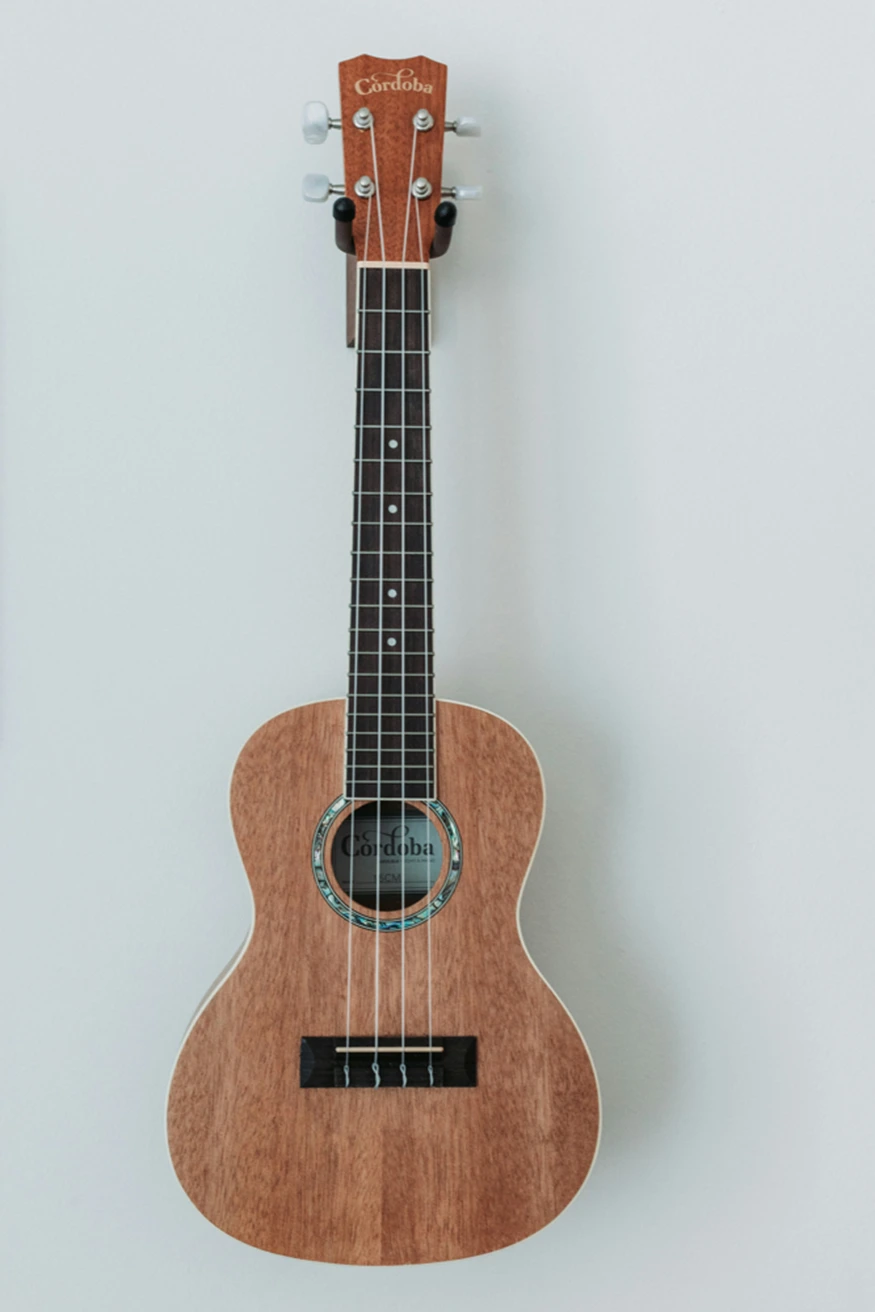
The Origin Story Nobody Tells in School
Most ukulele history for kids and dummies versions say something like: “The ukulele came from Hawaii!”
That’s adorable. It’s also incomplete.
The real history of the ukulele starts in the late 1800s, not in Hawaii, but in Portugal.
Specifically, Madeira.
In the 1870s, Madeira was struggling economically. Meanwhile, Hawaii’s sugar plantations were booming. So Portuguese workers migrated across the ocean looking for opportunity.
On August 23, 1879, a ship called the SS Ravenscrag arrived in Honolulu carrying hundreds of Madeiran immigrants.
They brought their families.
They brought their skills.
And they brought small four- and five-string instruments called:
- Machete
- Braguinha
- Rajão
- Cavaquinho
These weren’t toys. They werestreet instruments. Party instruments. Folk instruments.
And according to local newspaper reports at the time, one immigrant jumped off the ship and started playing immediately.
Imagine landing in a new country, and the first thing you do is perform music. That’s confidence. That’s branding. That’s how legends start.
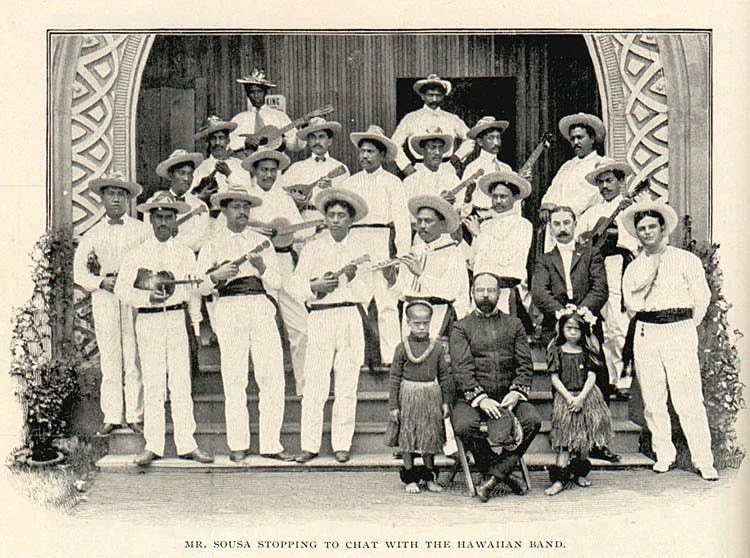
“Jumping Flea”: The Name That Stuck
The word ukulele roughly translates to “jumping flea.” Why?
Two popular theories:
- The player’s fingers moved so fast across the fretboard that they looked like fleas jumping.
- A Hawaiian official nicknamed Edward Purvis (a small, lively British man) was called “ukulele,” and the name stuck to the instrument.
Which version is true? Historians debate it. But honestly, both are kind of perfect.
Because if you’ve ever watched a child strum for the first time, it does look like tiny fingers bouncing around in chaotic joy. And that chaotic joy is kind of the whole point.
Royal Endorsement Before Influencers Existed
Here’s where things get interesting.
King Kalākaua of Hawaii, often called “The Merrie Monarch,” loved music. He promoted hula, native arts, and cultural expression. When he saw this new instrument, he embraced it.
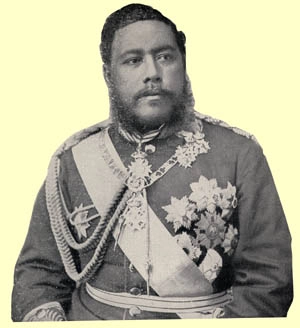
Royal patronage turned the ukulele from a migrant instrument into a symbol of Hawaiian identity.
This is a big deal in ukulele history. Because without King Kalākaua’s endorsement, it might’ve stayed a niche import.
Instead, it became part of the national culture. And when culture adopts something, it spreads.
The Ukulele History Timeline: From Portugal to Modern Los Angeles
Let’s zoom out and look at the ukulele history timeline clearly.
1879 – Portuguese immigrants arrive in Hawaii (SS Ravenscrag).
1880s – Manuel Nunes, José do Espírito Santo, and Augusto Dias begin building early ukuleles.
Early 1900s – The instrument spreads across the islands.
1915 – The Panama-Pacific International Exposition in San Francisco introduces mainland America to Hawaiian music. Ukulele explodes in popularity, in Los Angeles as well.
1920s (Jazz Age) – The ukulele becomes a household instrument. Cheap, portable, social.
Post-WWII – Plastic ukuleles, Arthur Godfrey on TV, novelty status.
1993 – Israel Kamakawiwoʻole records “Over the Rainbow.” The emotional reset button gets pressed for the instrument.
2006+ – Jake Shimabukuro’s viral YouTube performance proves the ukulele can shred.
2016 - First Los Angeles International Ukulele Festival
Today – Millions of beginners search for ukulele lessons every year.
The instrument has had at least three full life cycles, while most instruments don’t survive even one.
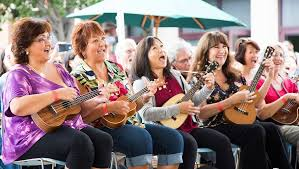
So Why Does It Keep Coming Back?
Here’s the honest answer: Because it lowers the barrier to entry.
A guitar has six strings and intimidating calluses.
Piano requires coordination and space.
Violin requires… emotional resilience.
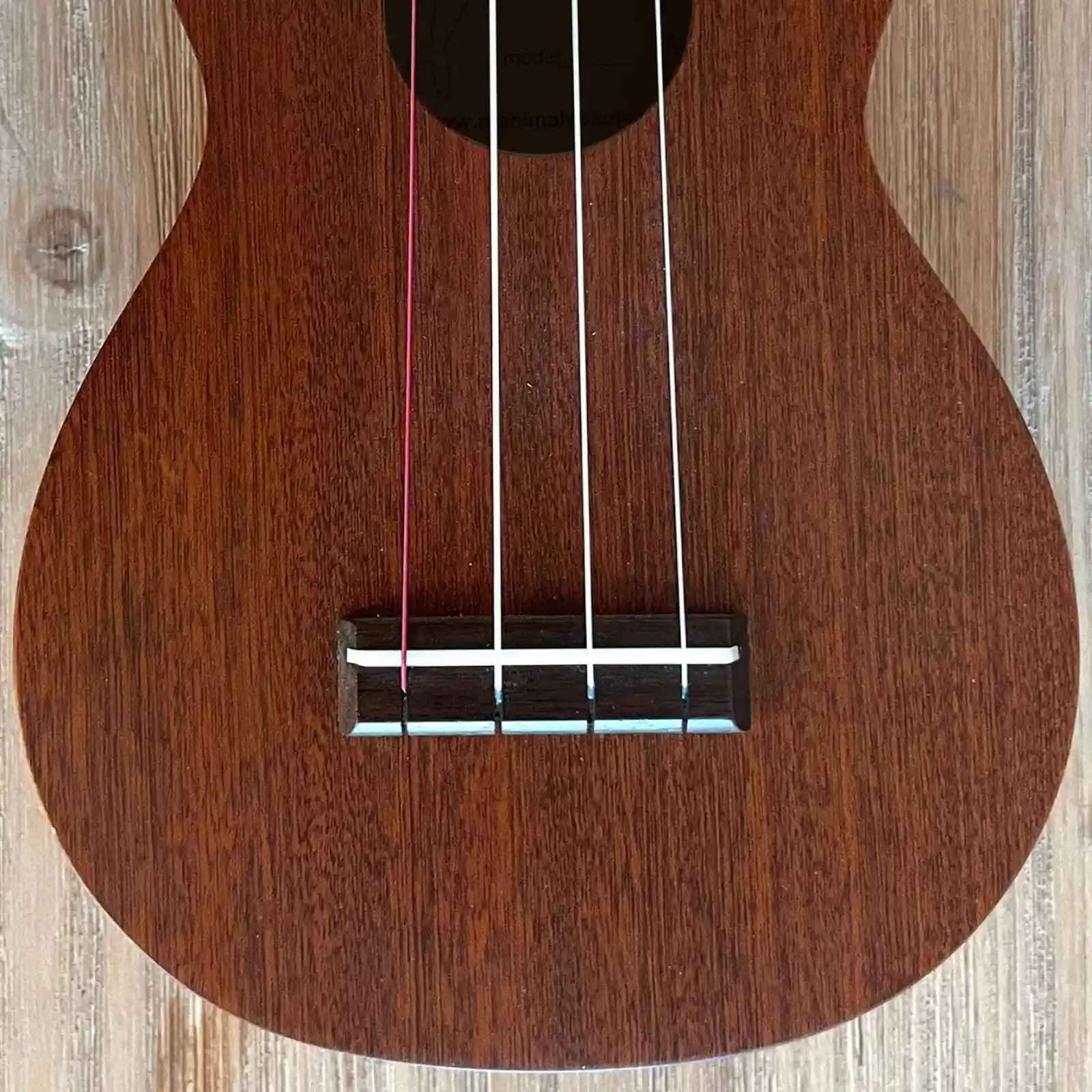
The ukulele? Four strings. Soft nylon. Small neck. Quick wins.
You can play a C chord in under five minutes. You can play a C chord in under five minutes. Add two more chords and suddenly you’re strumming “Over the Rainbow.”
Three chords. Sing along. Done. It’s wildly satisfying. That early satisfaction keeps people going.
Ukulele History for Kids: Why It Actually Matters
You might be thinking: “Cool story. But my 7-year-old doesn’t care about 1879 migration patterns.”
Fair. But here’s why ukulele history for kids matters:
It teaches them:
- Culture travels.
- Music connects people.
- Small things can become big movements.
- Art survives change.
And in a city like Los Angeles, where cultures blend constantly… that story hits differently.
A Portuguese instrument adopted by Hawaiian royalty, made famous in San Francisco, revived on YouTube, and now played by kids in Brentwood and Westwood?
That’s the American story in miniature.
Why Los Angeles Is Basically Built for the Ukulele
Think about it.
Los Angeles gave us:
- The Beach Boys
- Laurel Canyon folk
- Venice Beach street performers
- The Hollywood Bowl
This is a city that runs on sunshine and music.
The ukulele fits LA’s vibe perfectly:
Portable. Friendly. Unpretentious. Social.
It’s the kind of instrument you bring to Griffith Park.
Or strum softly before dinner.
Or play while your kid sings something wildly off-key and adorable.
And unlike larger instruments, it doesn’t dominate a room. It invites people in.
Why Ukulele One of the Best First Instruments For Kids & Beginners (And Why That’s Not an Accident)
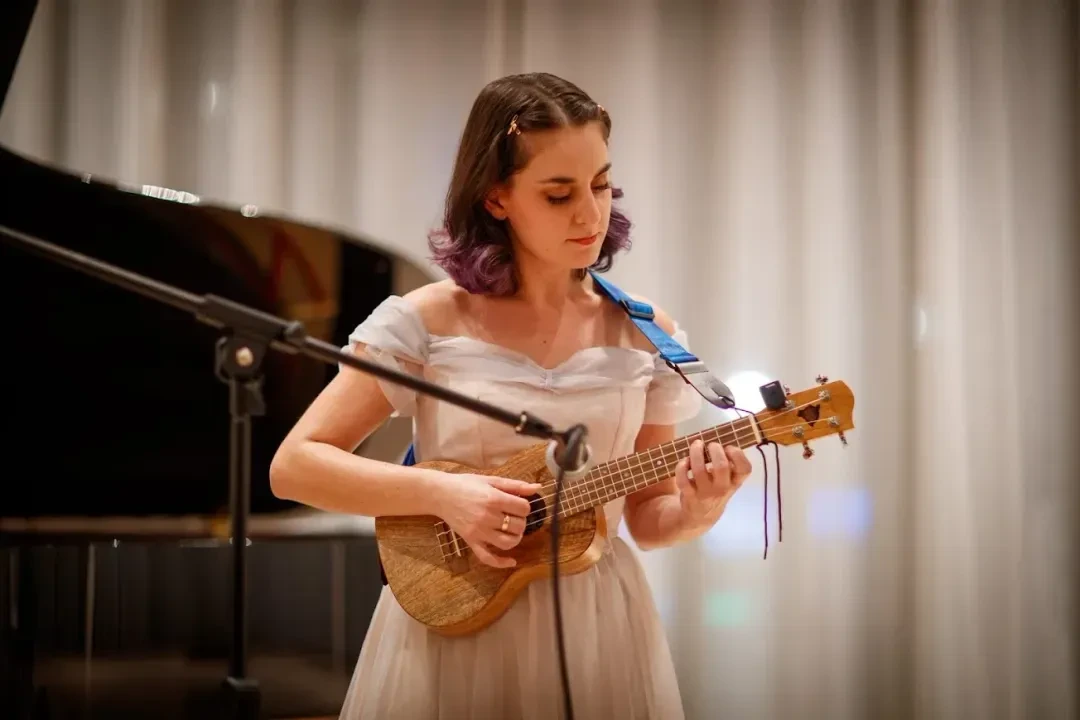
Ukulele is not just cute. It’s strategically easy.
When kids start music, they don’t quit because they hate music. They quit because they feel incompetent. The guitar hurts their fingers. The piano feels abstract. The violin sounds like a distressed animal for six months straight.
The ukulele gives them a win in the first week.
Four strings. Softer tension. Smaller fretboard. Quick chord transitions. You can learn C, F, and G7, and suddenly you’re playing actual songs. Real songs. Songs your kid recognizes. That moment matters.
Confidence builds momentum. Momentum builds identity. Identity builds discipline.
And now you’re not just “trying an instrument.” You’re “someone who plays.” That’s powerful.
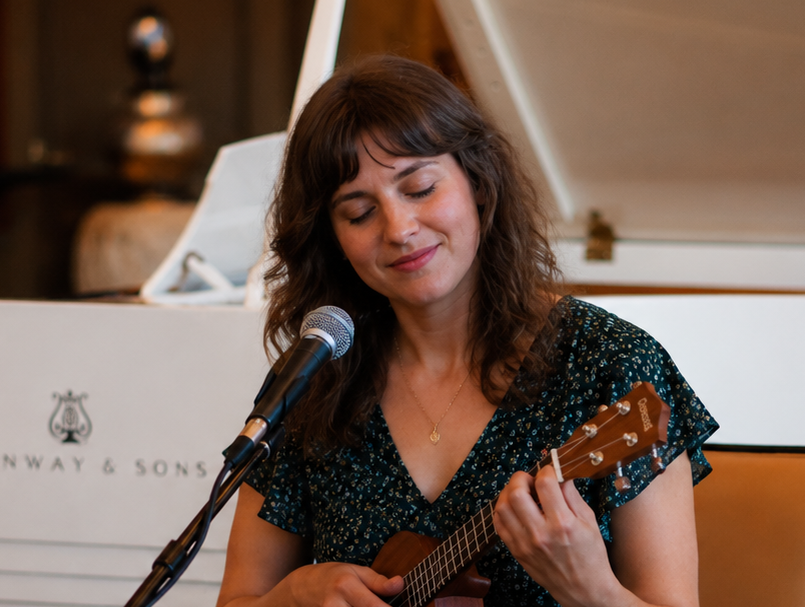
And here’s something parents love: you don’t just strum chords on your own. When you sing and play at the same time, you unlock a completely different musical experience.
Even beginners feel like they’re actually making music, not just practicing exercises. That’s powerful.
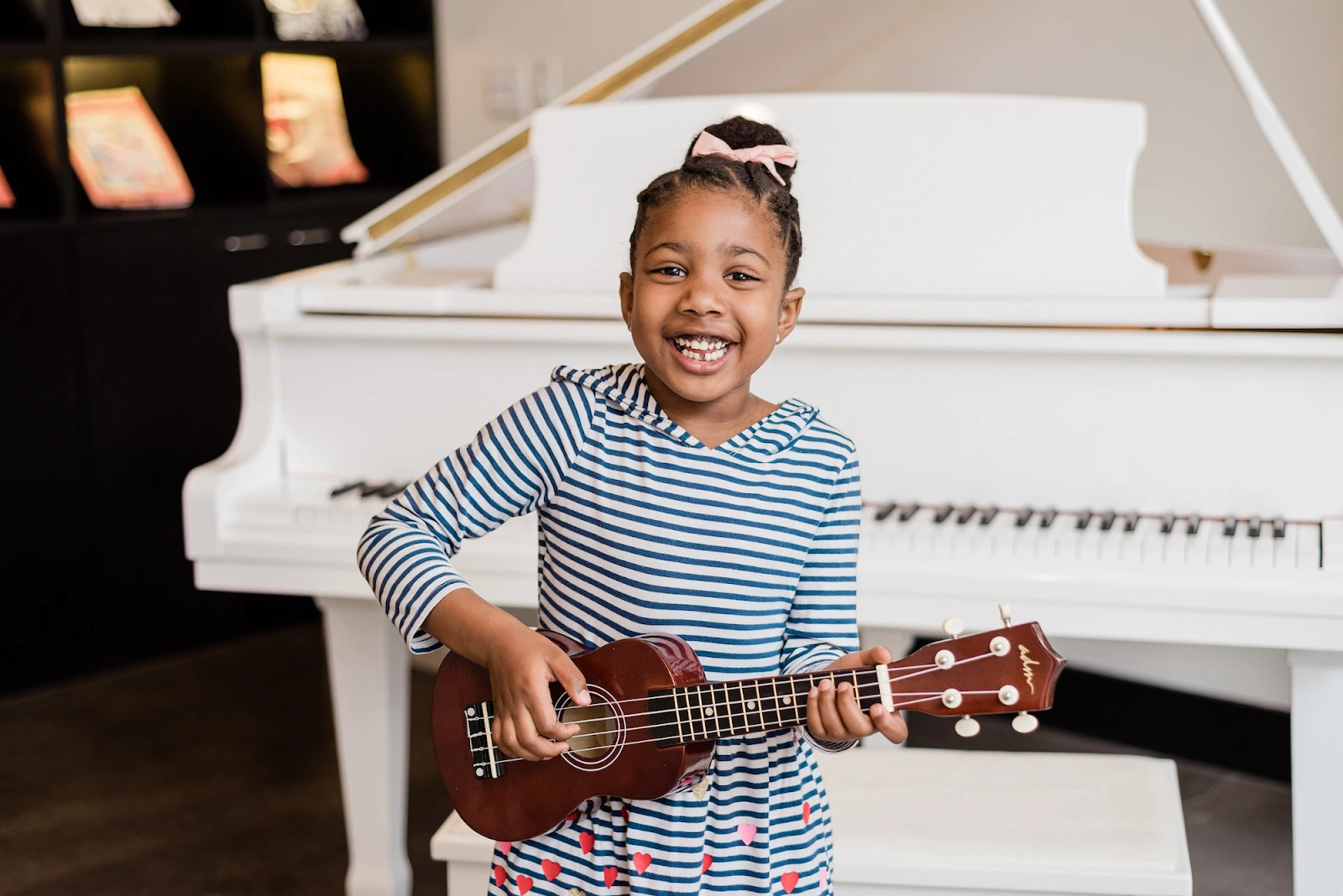
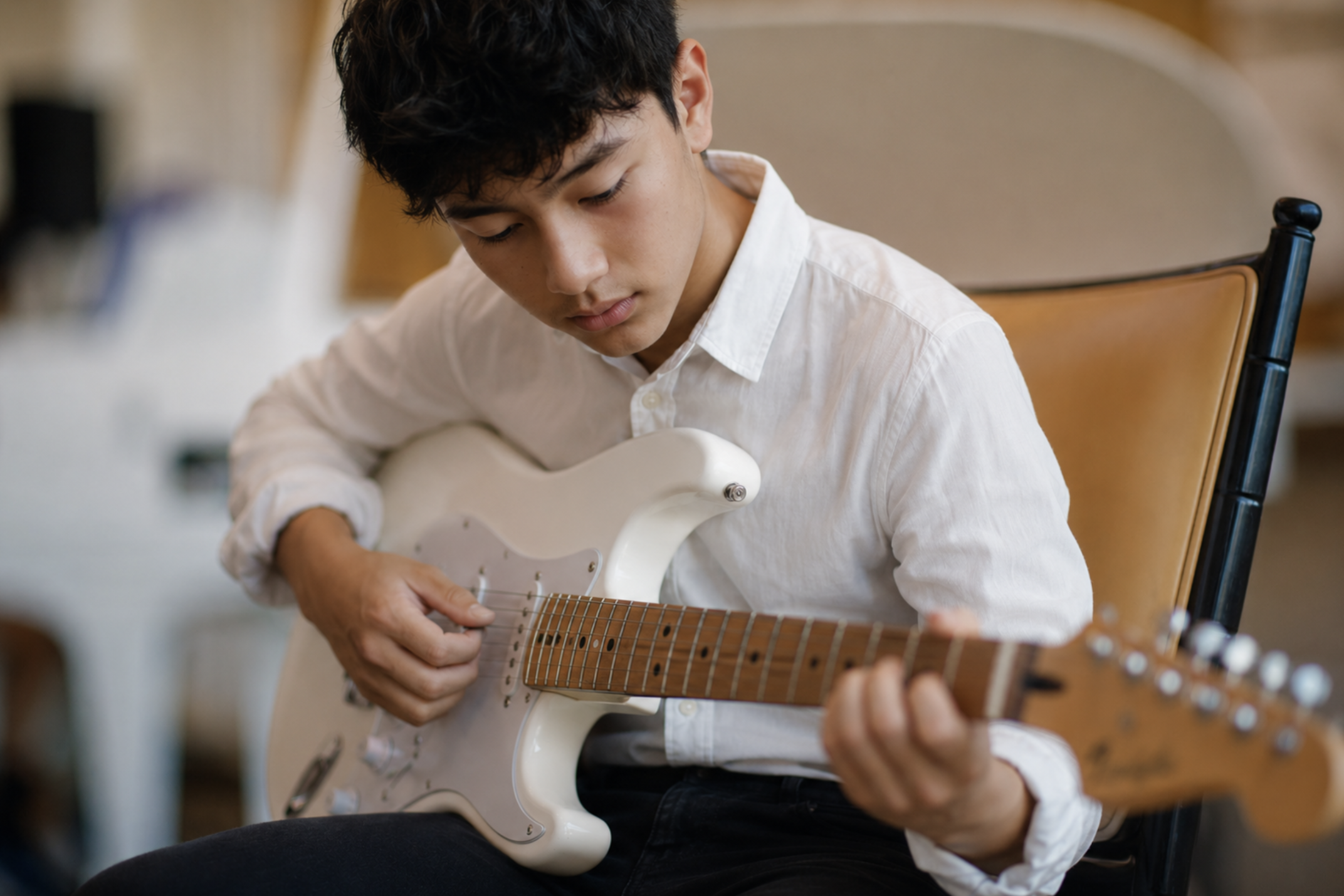
For younger kids, especially the aspiring guitarist,the ukulele is easier to play, softer on the fingers, and a natural stepping stone.
We often start ukulele at 4 or 5 years old, whereas guitar is usually better around 7. That two-year head start builds rhythm, coordination, and confidence, and transitioning to guitar later becomes dramatically smoother.
It’s also why searches for ukulele lessons for beginners have steadily increased over the past decade. Parents are quietly realizing that the best first instrument isn’t necessarily the most prestigious one. It’s the one that keeps a child engaged.
In other words, the ukulele isn’t a downgrade. It’s a smart beginning.
Ukulele Lessons in Los Angeles: Why Families Are Choosing It
Now let’s zoom into Los Angeles for a second.
In a city where kids grow up seeing live music at the Hollywood Bowl and buskers in Venice Beach, music isn’t just extracurricular. It’s cultural oxygen. But LA parents are also practical. Schedules are packed. Commutes are long. Attention spans are… evolving.
So when families start searching “ukulele lessons near me,” they’re often looking for something manageable.
Not a two-hour rehearsal commitment. Not an instrument that dominates the living room. Not a five-year classical training arc before their child can play something recognizable.
They want something that fits.
That’s where beginner ukulele lessons make sense.
The instrument travels easily from Brentwood living rooms to Westwood apartments to Tarzana family homes. It doesn’t overwhelm a space. It doesn’t require a massive investment to get started. And because progress happens quickly, kids don’t feel stuck.
For adults, the psychology is slightly different but just as compelling.
Many grown-ups search “ukulele lessons for adults near me” quietly, usually after thinking, “I’ve always wanted to learn something musical.” The ukulele removes the intimidation barrier. It doesn’t carry the same ego weight as piano or guitar. It feels approachable.
And approachable is everything when you’re 34 and haven’t taken a lesson since middle school band.
Beginning Ukulele Lessons: What Actually Happens
Here’s what surprises most parents.
Beginning ukulele lessons are not chaotic strumming sessions. They’re structured skill-building sessions that just happen to feel lighter than other instruments.
In well-designed ukulele beginner lessons, students learn rhythm first. Then simple chords. Then chord transitions. Then strumming patterns. The song structure. It’s sequential, just like any instrument.
The difference is that songs show up sooner.
That matters.
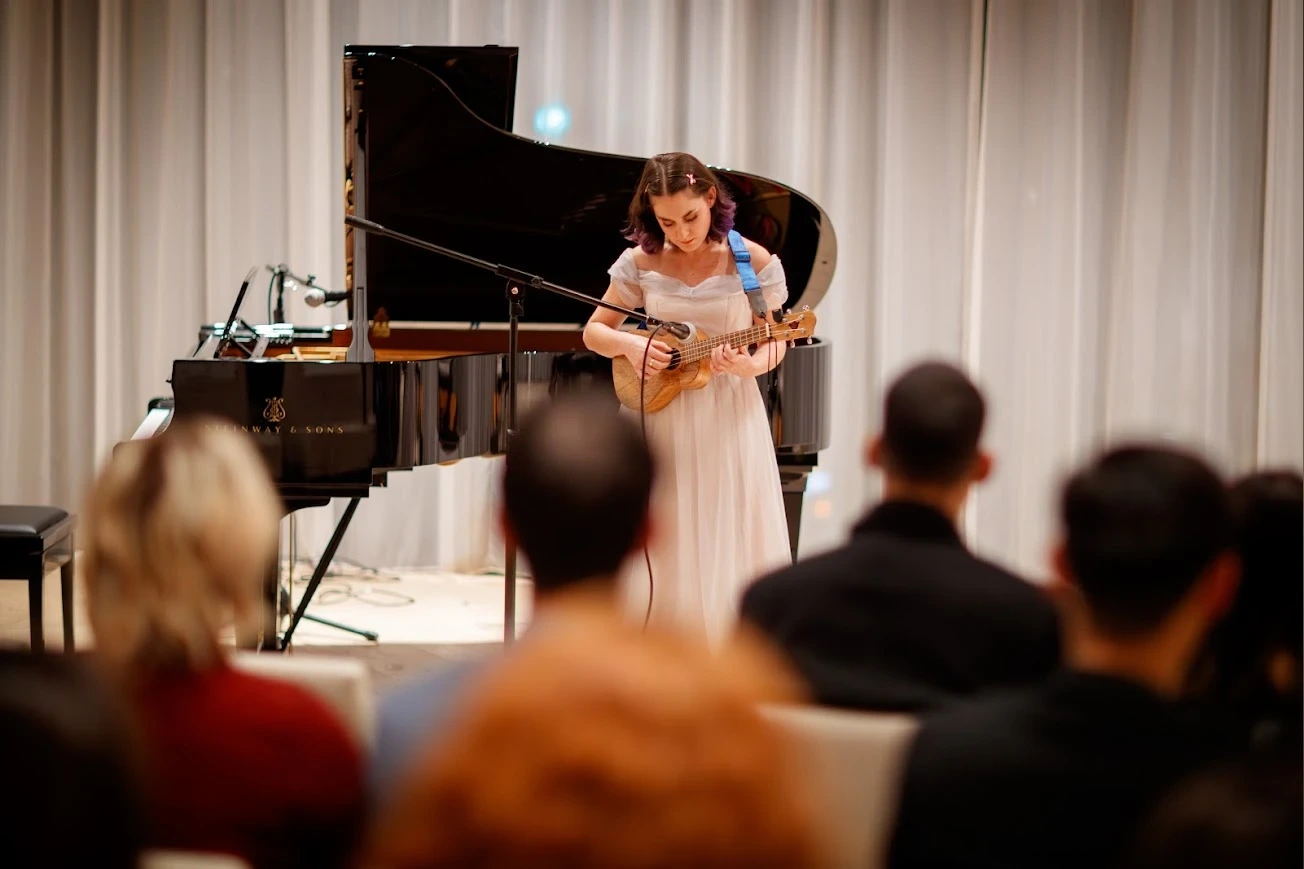
In our experience at Angeles Academy of Music, we’ve seen kids who struggled with other instruments suddenly light up when holding a ukulele. The smaller scale makes hand positioning easier. The nylon strings reduce finger pain. The quicker feedback loop builds belief.
And belief is fuel.
That’s why ukulele lessons for kids in Los Angeles have become increasingly popular in the past few years. Not because the instrument is trendy. Because it works.
The Revival Era: Why the Internet Brought It Back (Again)
If you’re wondering why your Instagram feed occasionally shows a 12-year-old absolutely shredding a ukulele, here’s why.
The instrument had another renaissance in the early 2000s. Israel Kamakawiwoʻole’s “Over the Rainbow” reintroduced it emotionally. Then Jake Shimabukuro’s viral “While My Guitar Gently Weeps” video shattered every stereotype about what the instrument could do.
Suddenly, it wasn’t just beachy background music.
It was expressive. Technical. Legitimate.
YouTube tutorials democratized access. Anyone could start. And once again, ukulele history repeated itself. A small instrument crossed cultural boundaries and found a new generation.
Which brings us back to Los Angeles.
In a city powered by digital culture, an instrument that thrives online naturally finds traction. Kids discover songs on TikTok. Adults find tutorials at midnight. Parents search for ukulele lessons while sitting in Westwood traffic.
The cycle continues.
Why Private Ukulele Lessons Matter (Especially in LA)
Here’s something important. The ukulele is easy to start. But real growth still requires guidance. That’s where structured ukulele lessons come in. Especially one-on-one lessons.
Group classes can be fun. But private instruction accelerates progress. It corrects bad habits early. It personalizes pacing. It keeps kids accountable without pressure.
At Angeles Academy of Music, we offer ukulele lessons in Brentwood, Westwood, and Tarzana, designed specifically for beginners and developing players. Whether a student is six years old starting their first instrument or an adult returning to music after years away, the lesson structure adapts to them.
We’ve found that students in one-on-one ukulele lessons for beginners often progress faster than they expect. And when progress feels real, consistency follows.
If you’ve been searching for ukulele lessons near me and wondering what the next step looks like, that’s it. A small, structured start.
The Los Angeles Factor
There’s something quietly poetic about ukulele history intersecting with Los Angeles.
An instrument born from migration. Adopted by royalty. Amplified at a San Francisco exposition. Popularized in jazz clubs. Nearly forgotten. Revived by a Hawaiian singer. Reinvented on YouTube.
And now taught in private studios near UCLA. LA is a city built on reinvention. So is the ukulele.
When a child in Brentwood strums their first chord, they’re not just learning a hobby. They’re participating in a story that started in Madeira nearly 150 years ago.
That’s not dramatic. That’s historical.
Final Thoughts: Why This Small Instrument Keeps Winning
Ukulele history isn’t just a timeline of dates and famous names. It’s proof that small, accessible tools often outlast complicated ones.
It survived industrial change, musical revolutions, and cultural shifts because it’s simple without being shallow.
For parents exploring ukulele history for kids, the takeaway is clear. This instrument gives early wins. It builds confidence. It travels well in a city like Los Angeles. And it grows with the student.
For adults typing “ukulele lessons for adults near me,” the takeaway is just as clear. You’re not late. You’re not behind. You’re exactly where beginners have always started.
If you’ve been researching ukulele history and wondering whether now is the time, it probably is. Whether you’re looking for ukulele lessons for beginners, structured beginning ukulele lessons, or thoughtful ukulele beginner lessons in Brentwood, Westwood, or Tarzana, the door is open.
Ukulele history began with people stepping into something new in 1879. Sometimes the smartest move is doing the same.
And if that first step starts with joining ukulele lessons near me in Los Angeles, well, that’s how the next chapter gets written. Sign up with Angeles Academy of Music for the best ukulele lessons in Los Angeles, CA.
.svg)
%202026%202027.jpeg)


.svg)

