.svg)
.svg)
.svg)
.svg)
.svg)
Whether you’re a parent in Brentwood shopping for your child’s first guitar or an adult hobbyist in Westwood curious about the best guitar for beginners, our Los Angeles instructors have you covered.
This guide is based on expert advice from our expert teachers with years of experience testing entry-level gear.
We break down top picks (acoustic and electric), give you a tiered list of gear suitable for kids and adults at different budgets, and answer common beginner questions. Cool? Let’s dive right in, now.
In a hurry? Here are the quick recommendations before you dive deeper.
Quick Suggestions
For beginners, we suggest getting started with nylon strings, as they hurt a lot less and are softer than typical steel strings, which is why you’ll see a lot of classical guitars in the suggestions.
That being said, we don’t suggest classical guitars for young beginners (under 13 years old) because of their wider string spacing. It’s usually a struggle for smaller fingers to pluck strings comfortably on classical guitars.
Let’s go deeper now.
Guitar Reviews (Tiered Picks)
From someone who’s taught thousands of students and watched every possible beginner mistake. Don’t worry, we’ve seen it all.
If you’re new to guitar, here’s the most important thing to know upfront:
- You don’t need “the best guitar.”
- You need a guitar that feels good, sounds nice, and makes you want to pick it up.
That’s it. These picks do exactly that.
S-Tier – Best Overall Picks
These are the “buy once, no regrets later” guitars.
Taylor GS Mini (Acoustic) - $499-$899

★★★★☆ (4.5/5)
This is one of my go-to recommendations for beginners of all ages.
Size: 23.5 Inches size
- One of the most comfortable acoustics I give to beginners
- My 10–12 y/o students love it because it’s smaller and doesn’t feel overwhelming
- Light enough that kids can hold it without shoulder fatigue
- Shorter length makes chords easier to reach, especially for small hands
- Strings feel gentler than most full-size acoustics
- Works well for teens and adults who want comfort without going “kid-sized”
- Great for parents who want one guitar that grows with the child
Tone & Style
- Warm, clear, and balanced - not boomy or harsh. It’s small but sounds like a full-sized guitar.
- Perfect for: Pop, Singer-songwriter, Worship, Light folk
- Loved by traveling musicians and casual players
- Not ideal for aggressive strumming or bluegrass volume
Looks
- Simple, clean, premium feel
- Looks like a “real” guitar, not a toy
- Kids feel proud playing it; adults don’t feel downsized
Bottom line:
One of the safest, most confidence-boosting beginner acoustics for kids, teens, and adults alike.
Yamaha C40 - $189

★★★★☆ (4.5/5)
- Very soft on fingers, thanks to nylon strings. Great for beginners who are worried about finger pain.
- Popular with teens and adults. Especially students with sensitive fingers or joint discomfort.
- Lightweight and comfortable. Easy to play while sitting for longer practice sessions.
- Wide string spacing. Makes fingerstyle playing clearer and less cramped.
- Not recommended for younger kids. The wide spacing can feel confusing and hard to reach for small hands.
- Better for calm, patient learners. Less ideal for energetic younger children who need something more forgiving.
Tone & Style
- Warm, smooth, and gentle sound
- Best suited for: Classical, Fingerstyle, Latin styles, Soft pop melodies
- Not suitable for rock, loud strumming, or aggressive playing
Looks
- Traditional classical guitar appearance
- Clean, simple, and serious
- Appeals more to teens and adults than younger kids
Bottom line
A comfort-first beginner guitar that’s excellent for teenagers and adults who want soft strings and a relaxed learning experience, but not the best fit for young children.
A side note for LA-based guitarists and parents:
If you’re brand new to guitar, one of the easiest ways to avoid buying the wrong instrument is to start with a lesson before you shop. At our school, Angeles Academy of Music, in Tarzana, Brentwood, and Westwood Village, beginners can take a first lesson with no obligation to continue afterward.
You’ll get to try real guitars, feel the difference between sizes and string types, and talk directly with a teacher about what actually makes sense for you (or your kid). That conversation matters. Our teachers aren’t there to upsell. They’re there to set you up for success.
In West LA, guitar shopping can get overwhelming fast, and some stores will happily sell you more guitar than you need.
Getting guidance from someone who teaches beginners every day usually leads to a better first guitar, and often a cheaper one too.
Let’s proceed with the list now.
Fender Player II Stratocaster - $899 (The best electric guitar for beginners)
★★★★☆ (4.5/5)
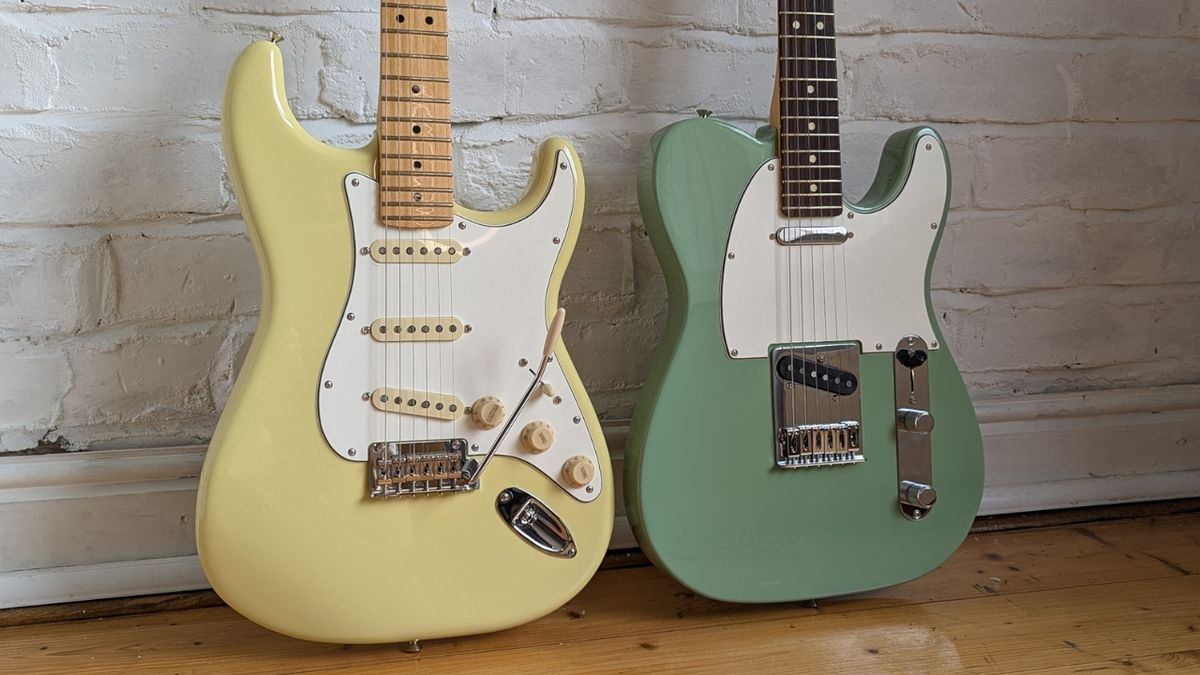
This is for students who say, “I want to play electric. I want it to sound cool.”
Totally fair.
In fact, Los Angeles guitarist Dick Dale built the surf-rock sound on a Fender Stratocaster, playing packed Southern California venues like the Rendezvous Ballroom during the early surf era.
- Very comfortable neck that feels natural in the hand
- My teenage students love this guitar because it feels smooth and easy to move around on
- Weight is manageable for teens and adults
- Too heavy and full-sized for most kids, so I do not recommend it to parents of younger learners
- String feel is friendly for beginners and does not fight back
- Sitting or standing feels balanced and stable
Tone and Style
- Clean, warm, clear sound
- Great for: Pop, Blues, Funk, RnB, Gospel
- Players who like John Mayer, Eric Clapton, or clean modern pop tones enjoy this style
- Can handle light rock, but not ideal for heavy metal
Looks
- Classic Stratocaster shape
- Looks professional and inspiring
- Teenagers feel confident playing it on stage or in lessons
My honest take:
If someone is serious about learning electric guitar, this is a very safe, very solid starting point. Reliable, inspiring, and familiar. No shortcuts. No regrets.
A-Tier ($300-$350) - Amazing Value Picks
These cost less, but still feel trustworthy and well-made. Perfect if you want quality without stretching the budget.
Yamaha Pacifica 112V (Electric Guitar) - $330
★★★★☆ (4.2/5)
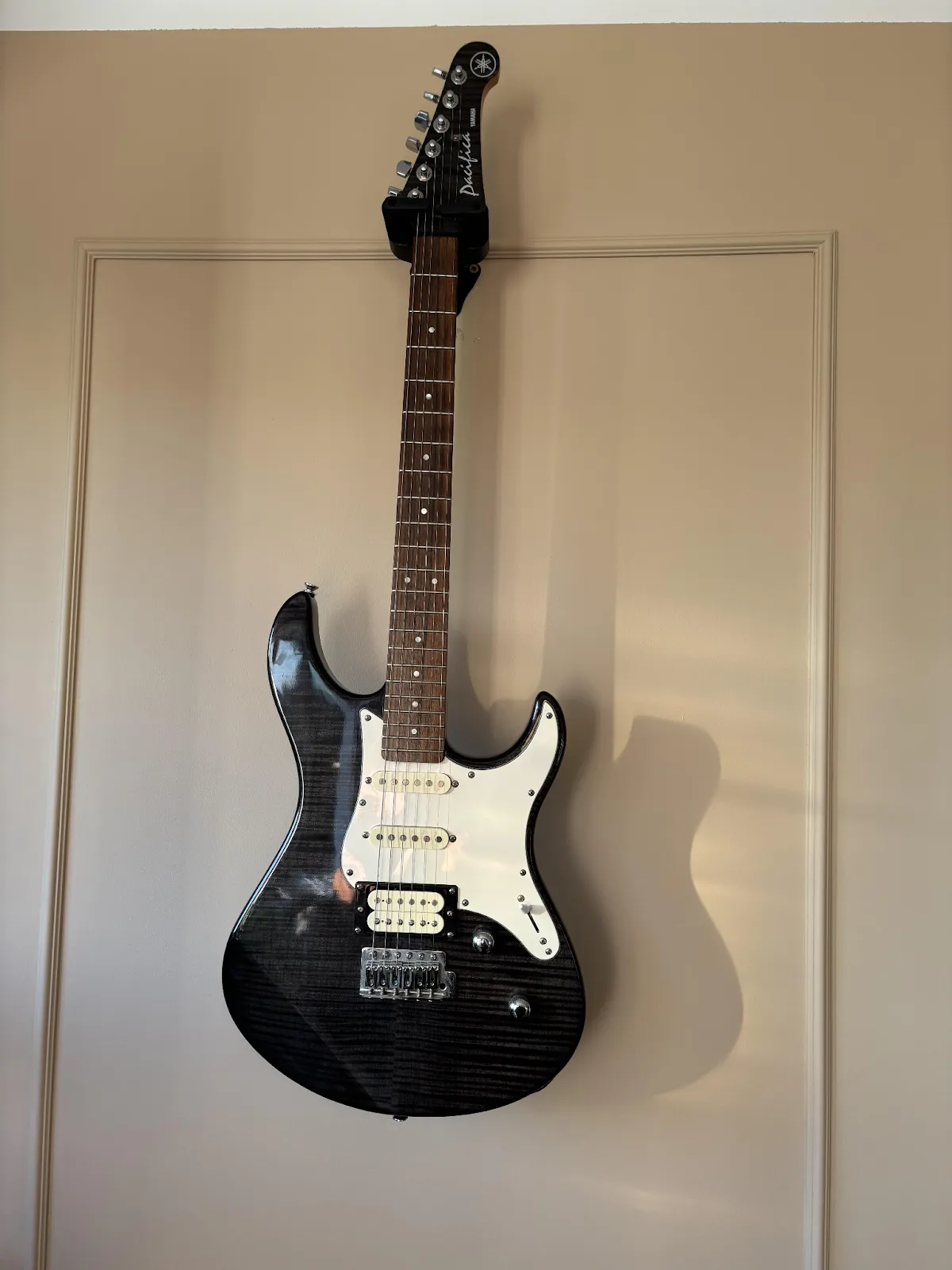
This is one of the best electric guitar for beginners. Walk into almost any rehearsal room around Silver Lake or Echo Park and you’ll see this model sitting next to a small practice amp. It’s not flashy. It’s there because it works.
- Comfortable, well-balanced body → easy to hold, not awkward. (doesn’t feel heavy or unwieldy)
- The neck feels slightly slimmer and less stiff than a Strat. Gives noticeably less finger pain early on.
- Stays in tune → fewer interruptions between practice sessions (you won’t be retuning it constantly)
- The body feels lighter and less tiring during long practice sessions.
- Trusted brand reputation → thousands of students have started on this exact model (safe, proven, low regret)
- Still full-sized, so I do not recommend it for small kids
Tone and Style
- It sounds very flexible. Clean sounds, rock sounds, and everything in between.
- It lets beginners experiment and discover what they like without needing multiple guitars. Works well for pop, blues, indie, worship, rock, light metal.
- Distortion feels smoother and more forgiving than vintage-style guitars
Looks
- Clean and simple
- Looks more modern than a Strat
A comfort-first electric for teenage and adult beginners. If you want an electric guitar that’s affordable, reliable, and student-approved, this is one of the safest beginner choices on the planet.
Ibanez GA3 OAM - $189
★★★★☆ (4.3/5)
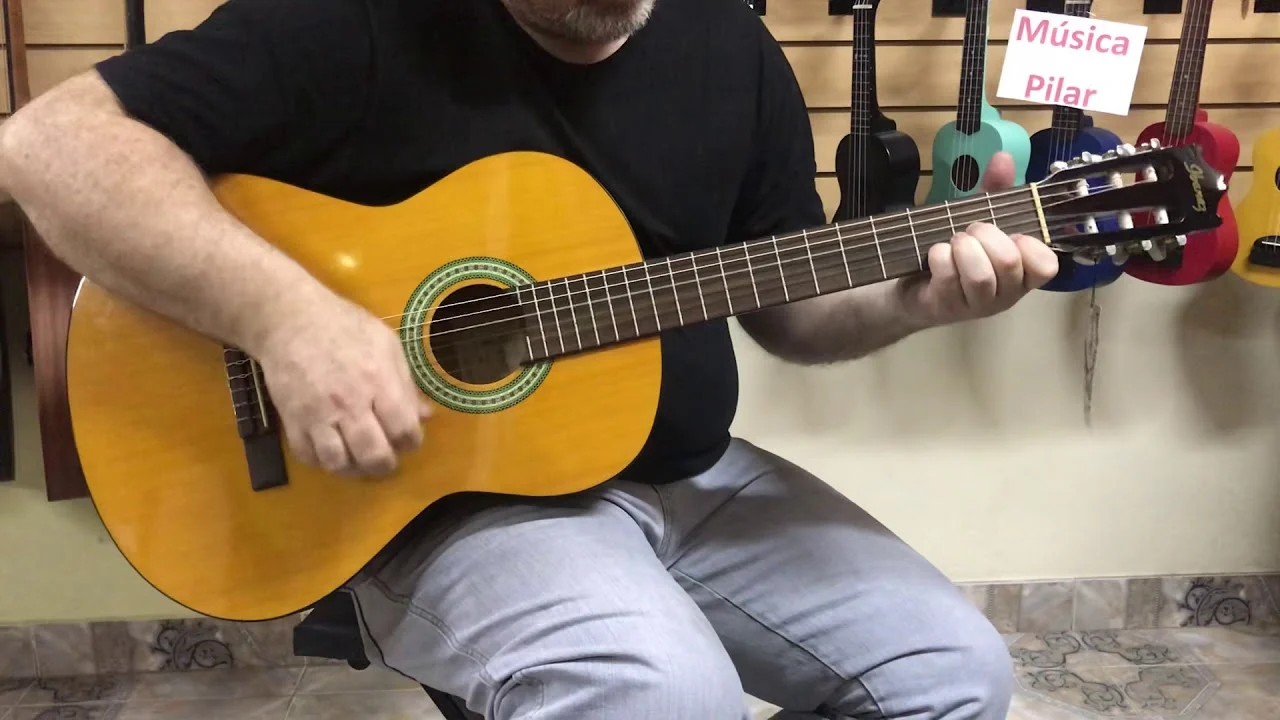
This is the nylon guitar that starts feeling… serious.
- Very gentle on the fingers because of nylon strings
- Lightweight and easy to hold while sitting
- Neck feels comfortable from front to back
- Better for calm, focused learners than energetic children
Tone and Style
- Warm, soft, relaxed sound. Great for classical, fingerstyle, Latin, soft pop
- Not suited for loud strumming, rock, or aggressive styles
Looks
- Natural wood finish with a simple, classy look
- Feels more modern than traditional classical guitars
A comfort-first beginner guitar for teenagers and adults who want soft strings and an easy start, but again… not ideal for young learners due to wide string spacing.
Yamaha FG800 - $229 (Affordable acoustic Guitar for beginners)
★★★★☆ (4.3/5)
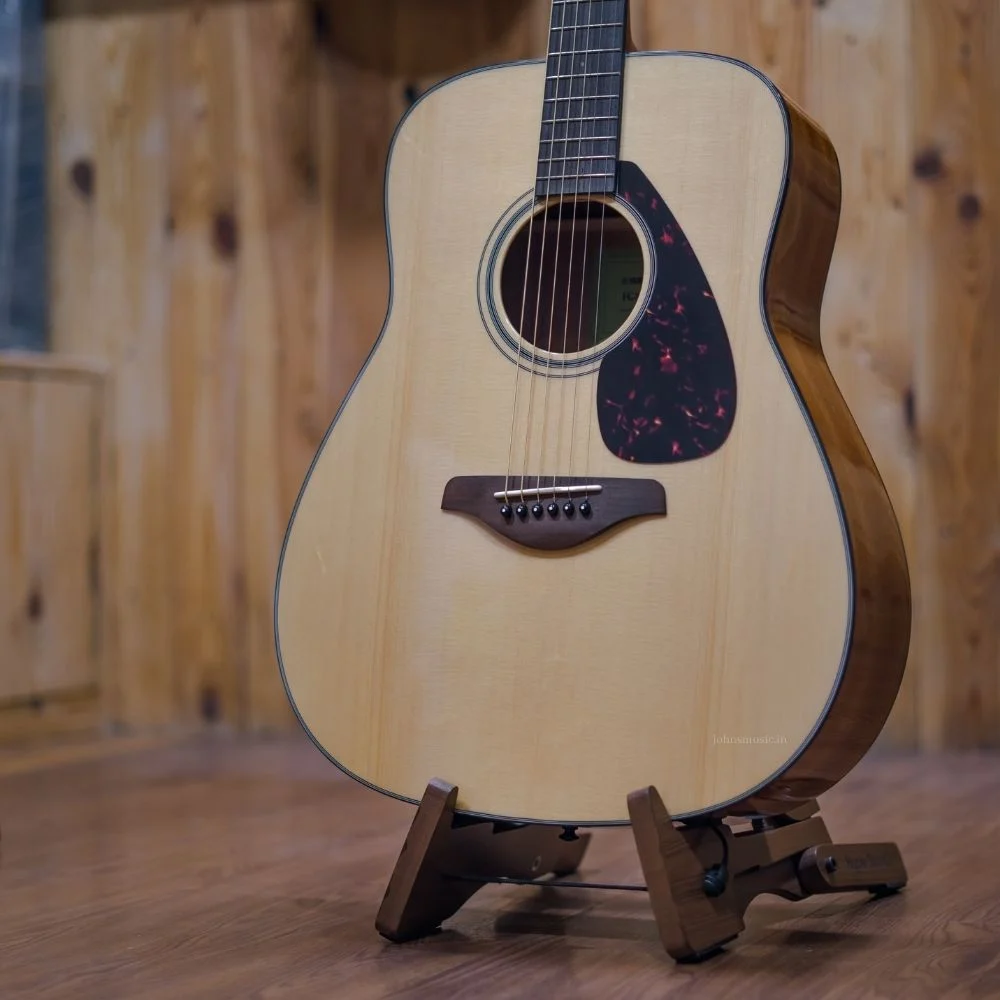
- Great for those who are ready for a full-size acoustic.
- Sturdy, well-built body. It feels solid in the hands
- Forgiving playability. It doesn’t punish beginners for pressing too hard or strumming awkwardly.
- Stays in tune reliably. Fewer interruptions between practice sessions
- Trusted Yamaha reputation. Used by thousands of beginners worldwide(safe, proven choice)
- Too big and stiff for most kids. Teenagers with larger hands do fine, smaller teens may struggle early
Tone and Style
- Loud, full, strong sound
- Works well for pop, folk, rock, worship, singer-songwriter
Looks
- Traditional acoustic guitar look
- Nothing flashy, but looks serious and trustworthy
Best for teenagers with bigger hands and adult beginners who want a strong, full acoustic sound.
If you’re a parent or a beginner and just want a calm, no-pressure place to start, our school is a great first step. You can meet the teachers, try the guitar, ask questions, and see if it feels right.
Sign up now at Angele Academy of Music
B-Tier ($450-$600): Best Value (The Smart, Confident Middle Ground)
These guitars are for people who want quality and character, without paying “boutique ego tax.”
This tier is where a lot of serious beginners and adult students land. These guitars feel legit, sound legit, and won’t quietly hold you back.
Squier Classic Vibe ’60s Strat (Electric Guitar) - $449 (The Best Beginner Electric Guitar in its Range)
★★★★☆ (4.4/5)
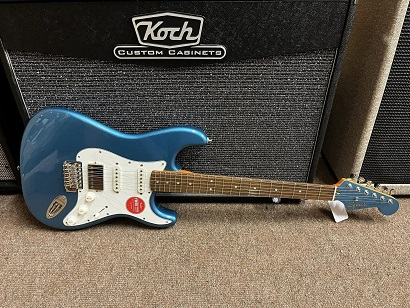
This guitar has quietly become a student favorite in LA. And not by accident.
- Feels like a “real” electric guitar. Often surprises beginners with how solid and well-built it feels for the price.
- Comfortable neck profile. Easy to hold, easy to move around on - great for teens and adults learning chords and simple leads.
- Lighter string tension than acoustics. Much easier on fingers than steel-string acoustics, especially early on.
- Stays in tune well. Reliable tuning means less frustration and more trust in what you’re hearing.
- Great step-up beginner option. Perfect if you want something better than entry-level but not full Fender pricing.
Tone & Style
- Classic Strat sound: bright, clean, and clear
- Great for: Pop, Indie, Blues, Funk, Light rock
- Can handle distortion, but shines most with clean and crunchy tones
- Players inspired by Hendrix, Clapton, and early Strat tones connect with it
Looks
- Vintage Strat styling
- Feels “cool” without being flashy
- Popular with teens who don’t want something that looks like a toy
A fantastic electric guitar for beginners who want an inspiring tone, solid comfort, and something they won’t outgrow quickly. Ideal for teens and adults ready to take learning seriously without jumping into pro-level prices.
Walk into any rehearsal space, lesson studio, or practice room around Hollywood, Silver Lake, or Santa Monica, and you’ll see one of these leaning against an amp. It’s a common “first real electric” for students before they ever think about upgrading.
PRS SE CE 24 (Electric Guitar) - $549
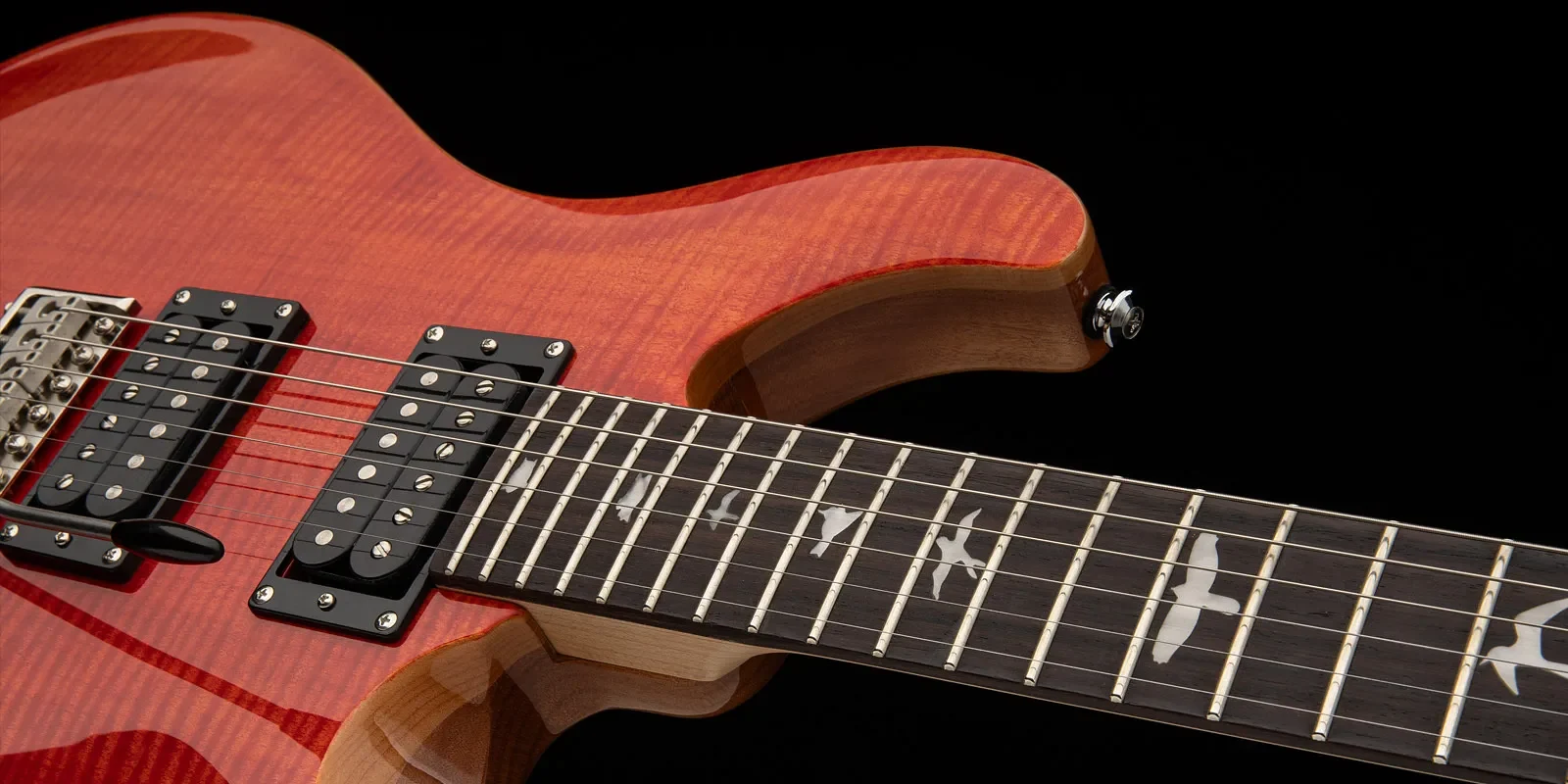
★★★★☆ (4/5)
This is the guitar for students who want something that feels… special, without being intimidating.
- Immediately feels high-quality in your hands. This is one of those guitars beginners pick up and go, “Oh… this feels nice.”
- Slim, comfortable neck. Easy on the fretting hand, especially for teens and adults learning chords and scales.
- Well-balanced and lightweight. Doesn’t feel awkward on a strap or heavy in your lap during longer practice sessions.
- Very forgiving to play. Clean fretting, smooth bends, and less fighting with the instrument overall.
- Stays in tune reliably. Which matters a lot when you’re learning and don’t want constant interruptions.
Tone and Style
- Strong, punchy sound with clarity
- Works well for rock, metal, grunge, alternative, modern pop rock
- Students inspired by bands like Foo Fighters, Linkin Park, Alter Bridge enjoy this type of guitar
Looks
- Very modern and polished
- Flame tops and finishes look impressive
If you want a guitar that feels inspiring and polished from day one, this is a beautiful place to start.
Seagull S6 Original (Acoustic Guitar) - $419
★★★★☆ (4/5)
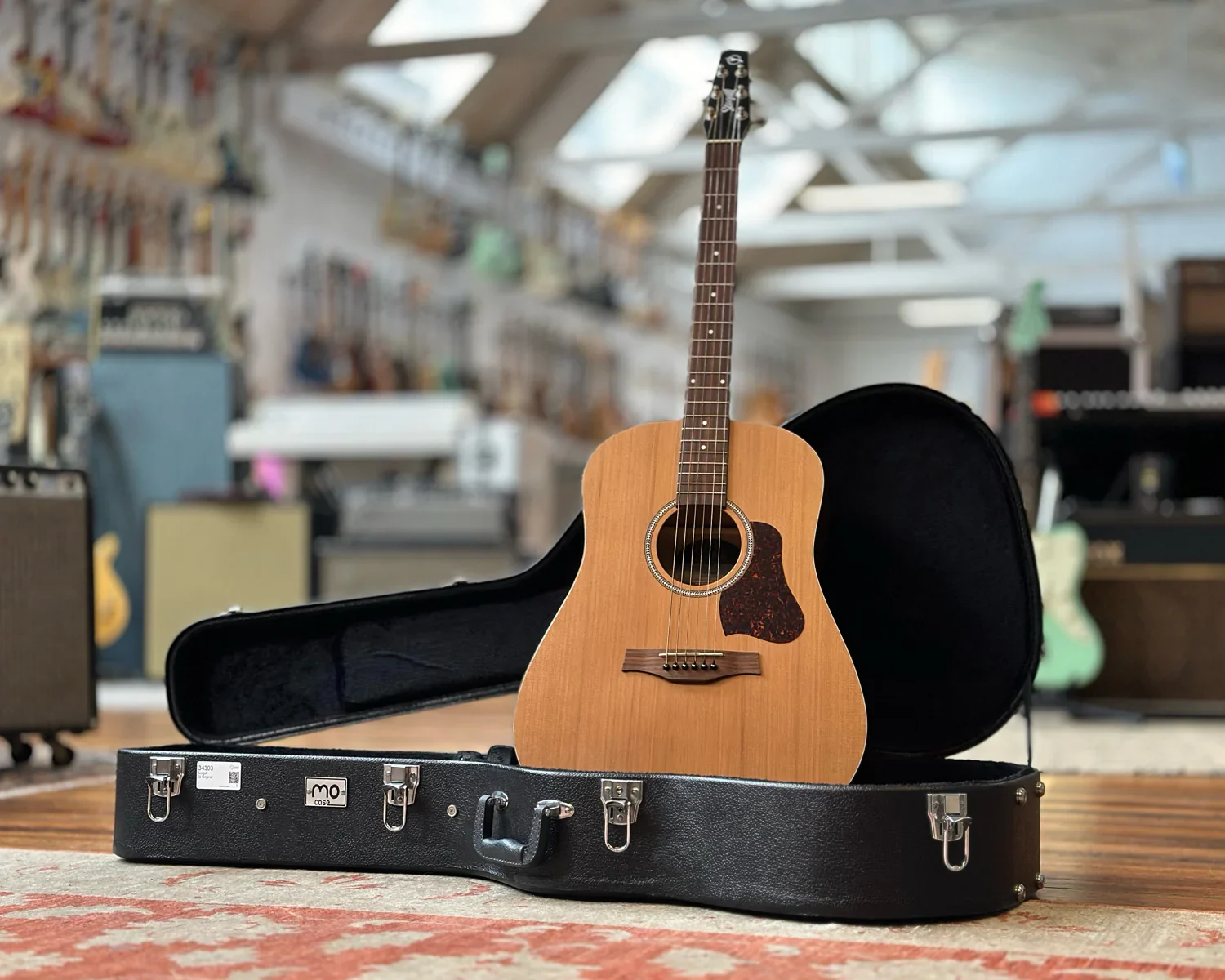
This is one of those acoustics that feels grown-up the moment you strum it.
If your inspiration is someone like Santa Monica–raised guitarist, Ry Cooder, I guarantee you you’ll love this guitar for its slides and sustains.
- Comfortable for chord learning. The neck gives your fingers a little extra room, which many teens and adults find easier when forming chords.
- Less fragile than many acoustics. Built to handle daily practice without feeling delicate or precious.
- Great for longer practice sessions. Comfortable to hold and stable in tuning once set up properly.
- Better suited for older beginners. Not ideal for small kids due to its size and neck width.
Tone & Style
- Warm, rich, full sound with strong mids
- Works well for folk, rock, singer-songwriter, worship, acoustic pop
- Great for students who sing while playing
- Appeals to players who like natural, earthy acoustic tones
Looks
- Simple, understated, and natural
- No flashy finishes or gimmicks
If you’ve ever been around songwriter circles, acoustic sessions, or living-room jams in places like Echo Park or Laurel Canyon, this is exactly the kind of guitar you’ll see people reaching for. It’s practical, musical, and taken seriously.
C-Tier ($200-$250): Budget Starters (Safe First Steps)
Perfect if you’re unsure, buying for a child, or just want to try guitar without commitment.
Squier Sonic Stratocaster (Electric Guitar) - $230 (Best Beginner Guitar for Kids)
★★★☆☆ (3.6/5)

- Very lightweight and easy to handle. Great for younger players, smaller hands, or anyone who doesn’t want a heavy guitar.
- Simple, no-frills design. Fewer things to worry about means beginners can focus on playing, not tweaking.
- Comfortable neck for first-time players. Easy to wrap your hand around and start forming chords quickly.
- Beginner-safe tuning stability. Stays in tune reasonably well once set up, which keeps frustration down.
- Affordable entry point into electric guitar. One of the lowest-risk ways to see if electric guitar is a good fit.
Tone & Style
- Classic Strat-style sound, just simpler
- Clean tones are clear and usable
- Works best for: Basic rock, Pop, Early blues
- Not designed for heavy distortion or advanced tone shaping
Looks
- Modern, playful color options
- Feels approachable
Around $200–220. It’s cheap, and that’s the point. But honestly… This is a temporary starter. Great for seeing if guitar sticks. If the student falls in love, you upgrade later. No shame in that.
Squier Mini Stratocaster (Electric Guitar with short scale) - $200
★★★☆☆ (3.4/5)
.webp)
This one deserves special mention because it’s made specifically for kids.
- One of the easiest guitars for kids to hold and control
- My 7–11 y/o students feel comfortable immediately because of the smaller body and shorter length
- Very light, does not strain arms or shoulders
- Neck feels slim and easy for small hands
- Strings are soft and forgiving for first-time players
- Too small for most teenagers and adults, they outgrow it quickly
Tone and Style
- Simple, clean electric sound
- Works for pop, rock, beginner blues, simple riffs
- Not built for heavy distortion or advanced tones
You’ll see these all over youth music programs, beginner rock camps, and lesson studios from Burbank to Culver City. It’s a favorite among teachers because it actually fits kids.
Epiphone DR (Acoustic Guitar) - $200
★★★★☆ (4/5)
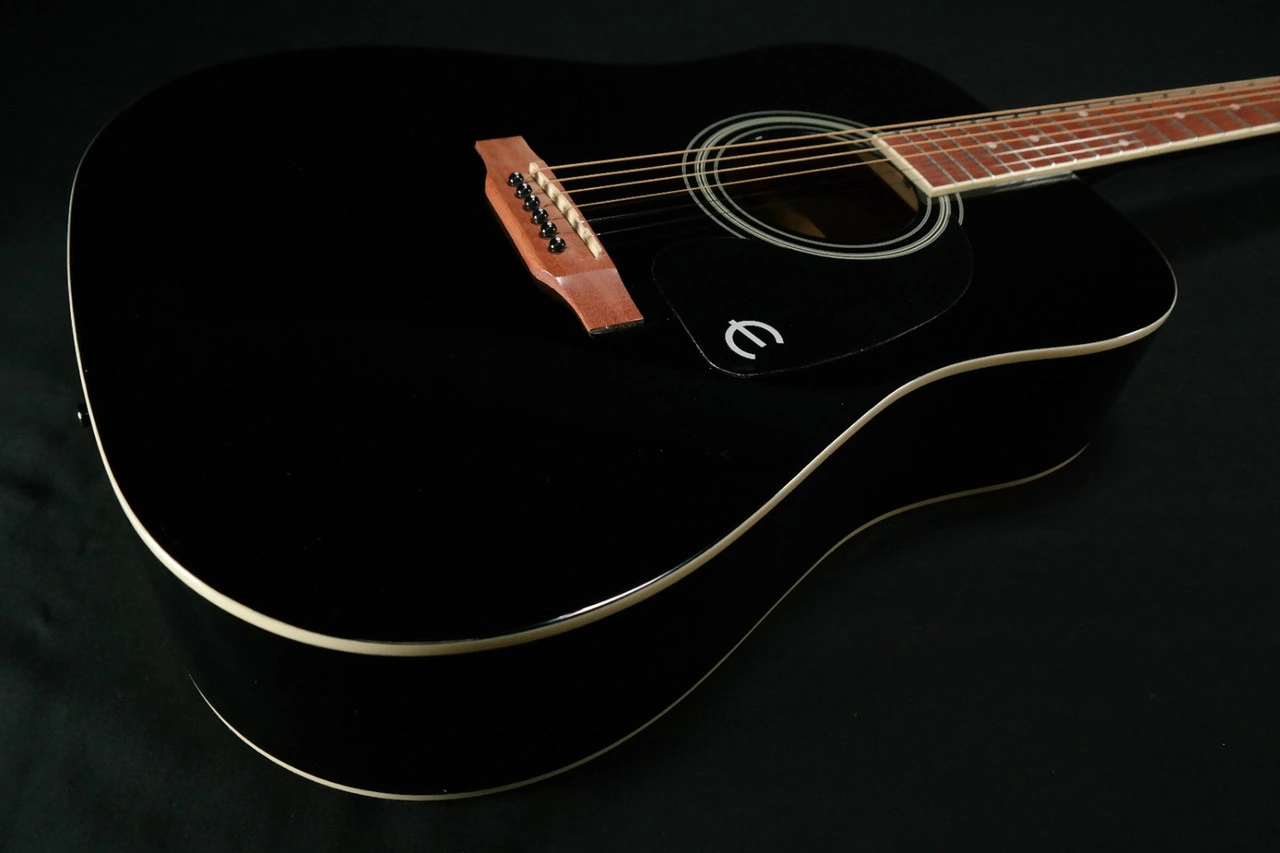
This is the classic “first acoustic guitar” for a reason.
- Straightforward, no-frills acoustic. This is a classic “first acoustic guitar” that does the basics without overcomplicating things.
- Comfortable neck for beginners. Easy to hold and learn basic chords on, especially for teens and adults.
- Lightweight but sturdy. Doesn’t feel fragile, which is reassuring for new players.
Tone & Style
- Big, punchy sound for the price
- Strong mids and solid bass
Looks
- Traditional dreadnought acoustic look
- Simple, classic, and understated
My honest take: Basic, but honest. It gives beginners a real taste of acoustic guitar without breaking the bank.
How do I choose a beginner guitar for my kid or myself?
How to Use This Guide
This framework helps you match beginner guitarists across all age groups with the most suitable instruments based on their specific characteristics.
It will make reading guitar specs easier for you.
1. Choose by motivation (what will make you (or your kids) practice)
2. Choose by Comfort (Age, Height, & Hand Size)
Scale length
Length of the string from top to bottom
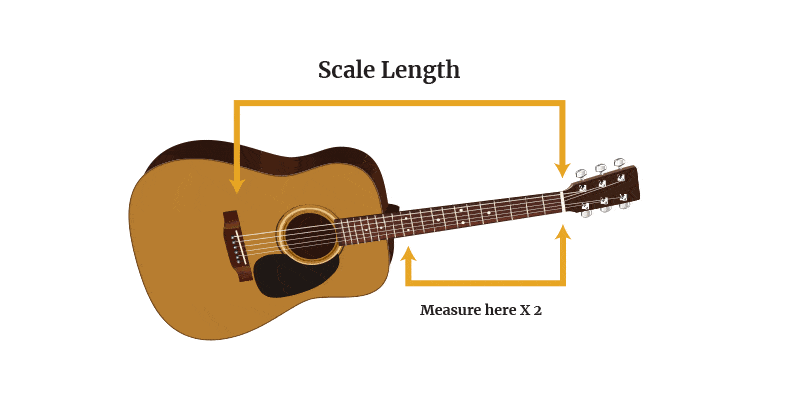
- Kids: 20"–24"
- Teens: 24"–25.5"
Shorter = easier to press and reach
Neck thickness
How thick the neck feels in the hand
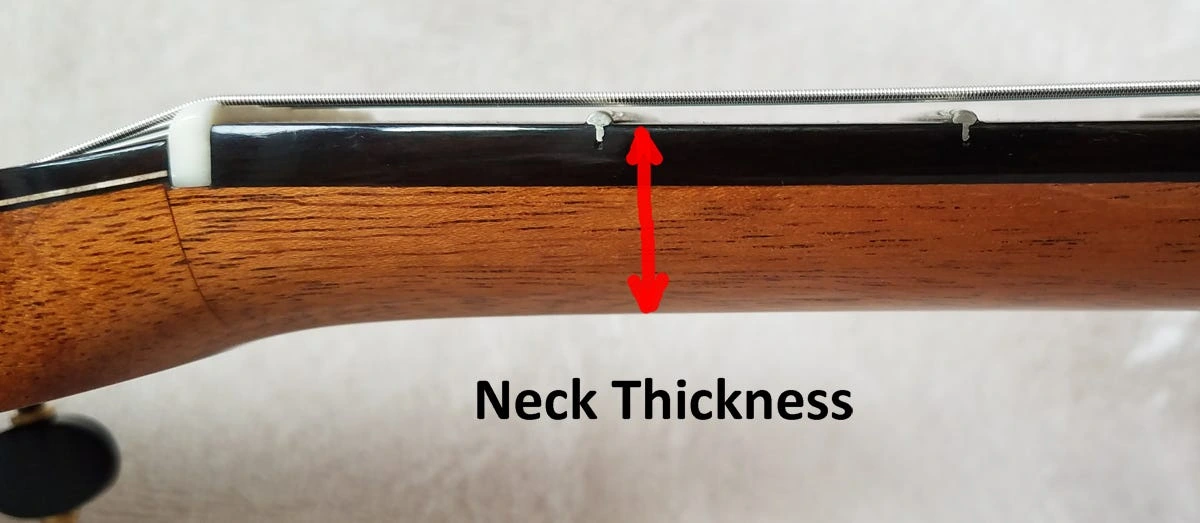
- Kids: 18–19 mm
- Teens: 19–21 mm
Thinner = easier grip
Nut width (string spacing)
Distance between strings at the top
.webp)
- Kids: 40–41 mm
- Teens: 41–42.5 mm
Closer strings = easier chords
String type
Material of the strings
String height (action)
How high strings sit above the neck
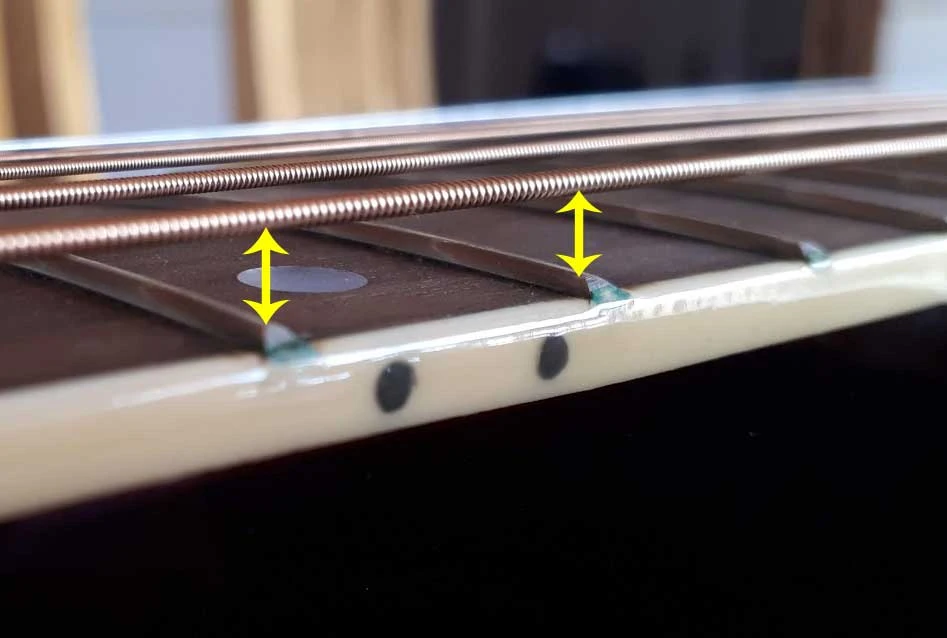
- Electric: 1.25–1.75 mm
- Acoustic: 2.0–2.5 mm
- Lower = less effort
Fret size
Height of metal bars
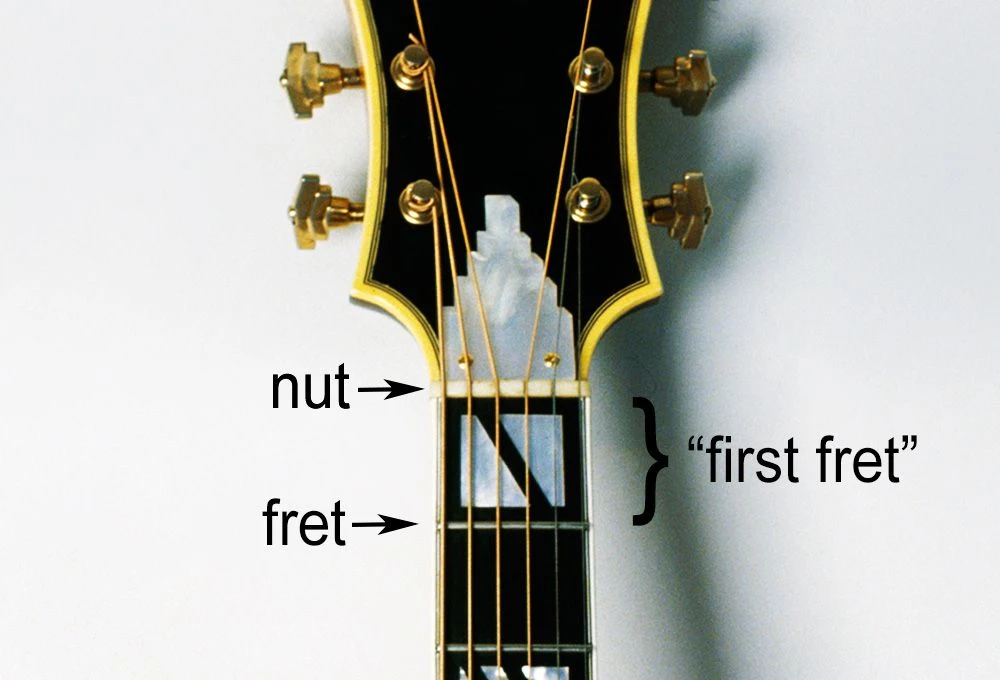
- Target: ≥1.1 mm
- Taller = less pressure
Guitar weight
Total weight of the guitar
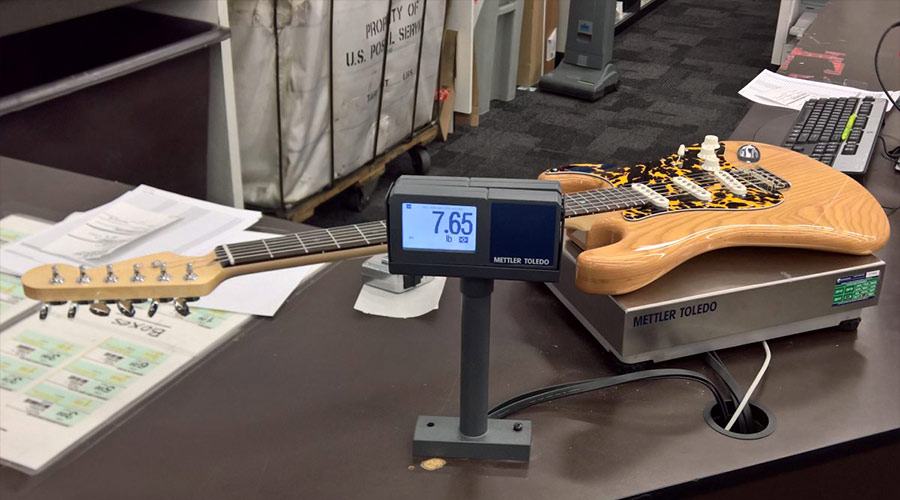
- Kids: ≤6 lbs
- Teens: 6–7.5 lbs
- Lighter = less fatigue
Balance
How evenly the guitar sits or hangs
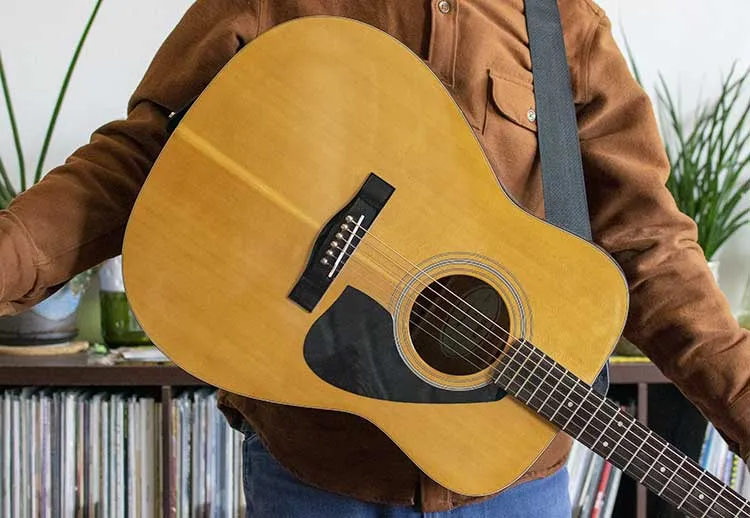
- Target: no neck drop
- Stays in place without effort
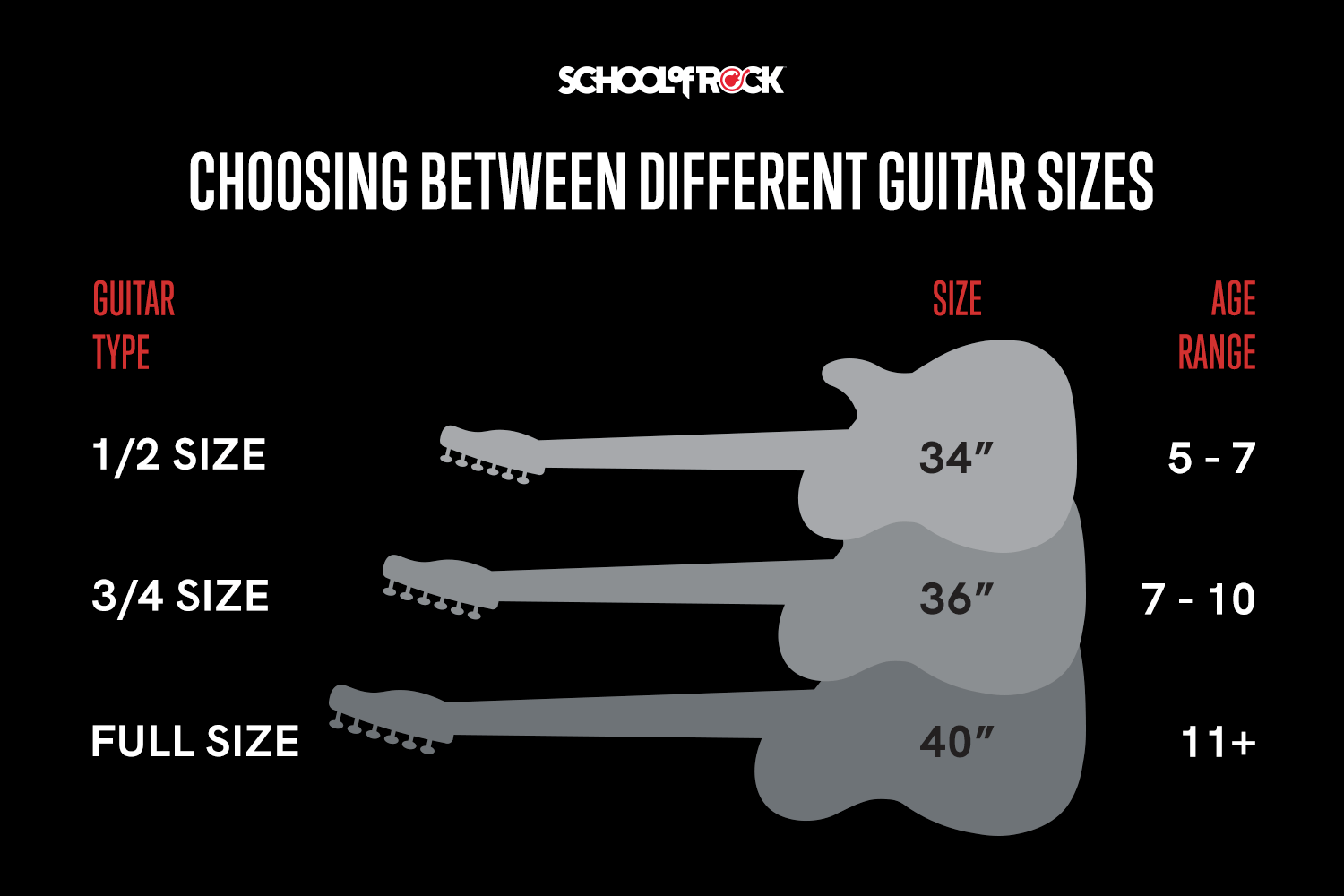
Guitar Size
3. Tuning stability
A beginner's guitar should stay in tune between practice sessions.
If it doesn’t, kids assume they are doing something wrong, and that kills motivation fast.
What Actually Makes a Guitar Stay in Tune
- Good tuning machines (tuners)
They should turn smoothly and hold position. Slipping tuners = constant retuning. - Stable neck construction
A neck that doesn’t shift easily keeps string tension consistent, even when the guitar sits unused for a few days. - Proper string tension for beginners
Nylon or light-gauge strings are less sensitive to small tuning changes. - Factory consistency from reputable brands
Guitars that are built the same way every time tend to be more stable out of the box.
Why This Is So Important for Beginners
When a beginner plays the right note and it sounds wrong:
- they blame themselves
- practice feels frustrating
- motivation drops quickly
A guitar that stays in tune lets beginners trust what they’re hearing, and that trust is essential early on.
4. Budget
Brands that consistently meet these criteria:
- Yamaha — extremely consistent, beginner-safe
- Fender (and Squier) — stable tuning, familiar feel
- Ibanez — comfortable necks, reliable hardware
- PRS — premium feel, very stable builds
Finally, try it yourself…
Here’s the part most guides skip: you don’t have to guess.
Before you buy anything, let a beginner actually touch a guitar. Comfort, size, and string feel become obvious within five minutes, and no chart can replace that. That’s why starting with a lesson (or at least a hands-on try) saves money, stress, and second-guessing later.
In other words: don’t commit blindly.
Let the guitar tell you if it’s the right one.
If you’re in LA, you can visit our schools (Angeles Academy of Music) in Tarzana, Westwood, or Brentwood, and skip the awkward guitar-store dance where a salesperson tries to upsell you the most expensive model on the wall. Our teachers will let you try real guitars, answer real questions, and help you choose what actually fits. No pressure, no sales pitch, just honest guidance.
FAQs:
What’s the right size of guitar for my kid?
If the guitar feels too big, they won’t play it. You don’t need to “future-proof” or the perfect size. You need a guitar that fits now.
Below is the simple, teacher-approved cheat sheet.
What If Hand Size Is the Real Issue?
Age isn’t everything. Hands matter more than birthdays.
- Very small hands →
Electric guitar (thinner neck), 3/4 acoustic, or short-scale (24") - Small hands →
3/4 acoustic or narrow-neck electric - Average hands →
Any beginner guitar, full-size included - Large hands →
Full-size acoustic or standard electric - Arthritis / joint issues →
Electric guitar (lighter pressure) or nylon strings (much easier on joints)
Comfort beats “cool” every time.
How much should I spend on a beginner guitar?
Spend $150–$250.
That’s the sweet spot where guitars:
- Feel comfortable
- Stay in tune
- Sounds real (not toy-ish)
- Support 2–3 years of learning without frustration
Anything under $100 risks bad playability and quitting.
Anything over $300 is unnecessary unless there’s already a serious, long-term commitment.
If you want names: Yamaha FG800 (acoustic) or Yamaha Pacifica 112V (electric) absolutely nail this range.
A more detailed answer -
The Simple Budget Breakdown (Parent-Approved)
You’re not buying a guitar.
You’re buying time before frustration sets in.
- Too cheap → bad tuning, sore fingers, quitting
- Too expensive → pressure, guilt, overkill
- Just right → comfort, confidence, momentum
That’s why $150–$250 works so well. It’s enough guitar to grow, without making this a life decision.
Should I get my kid started with an electric guitar or an acoustic?
If you’re choosing between electric and acoustic for your kid, pick the one they’ll actually want to play. For kids under 10 or beginners, we usually recommend acoustic guitars because they are low-commitment: simpler (no amp needed), portable, and build essential finger strength.
Electric guitars are heavier and require amps, cables, and a bit more setup, which can overwhelm very young beginners. But if your kid is excited about an electric guitar, that motivation matters more - especially for teenagers, who are far more likely to stick with learning when the instrument matches what they want to play.
Practically, for Los Angeles’ apartments and shared walls, acoustic guitars are less noisy. But electric with headphones can also work.
If you’re feeling unsure about where to begin, that’s normal. Our school, Angeles Academy of Music, is designed for exactly that moment. Come in, take a beginner class, try the guitar, and get real guidance from teachers who work with beginners every day.
Sign up for Beginner Guitar Lessons at Angele Academy of Music.
What kind of beginner guitar should I buy?
Buying for a kid?
Go with a properly sized acoustic (1/4, 1/2, or 3/4 based on height).
Look for nylon strings (easier on fingers), a lightweight body, and a narrow neck for small hands.
And yes. Let them pick the color. Motivation beats specs every time.
Buying for a teenager?
An electric guitar is usually the win here.
Think Squier Affinity Stratocaster or similar:
- Thin neck
- Light strings
- Stays in tune
- Looks cool enough to not be embarrassing
Genre matters:
- Rock / metal → Ibanez GRX
- Pop / indie → Yamaha Pacifica
If it matches what they listen to, they’ll actually play it.
Buying for yourself (adult beginner)?
Keep it simple:
- Acoustic: Yamaha FG800
- Electric: Yamaha Pacifica 112V
Look for comfort, tuning stability, and versatility, not hype.
If you’re serious, spend $250–$400 and get something you won’t outgrow in a year.
Is it a good idea to buy on Amazon?
It’s convenient, but risky. With Amazon, you usually don’t know who the actual retailer is, and no one checks the instrument before it ships.
Guitars can arrive out of tune, poorly set up, or with small issues that beginners don’t know how to fix… so they assume they are the problem.
That’s why we usually recommend Sweetwater instead. Their sales techs actually inspect guitars, help you choose the right model, and they’re excellent with returns and problem-solving if something isn’t right.
Is it a good idea to buy used?
Buying a used guitar can be a good idea if you are cautious. You often get better quality for the money, and it makes sense for kids or first-time beginners.
However, it is not recommended if you cannot inspect or test the guitar or if repairs might be needed. Used electric guitars are generally safer than used acoustics.
We don’t recommend Craigslist for parents, as it carries a higher risk of hidden damage, scams, unsafe meetups, and no buyer protection or return options.
Reverb is usually a good option, but buyers should pay attention to seller return policies and extra costs from platform fees.
Should I buy a guitar in-person or online?
In-person retail buying lets you hold the guitar, feel the neck, check the size, and hear how it sounds. Great if you’re unsure or buying for a kid—but some stores push pricier models and rush decisions. Online gives you more selection and usually better prices, but you’re buying blind. Setup issues are common, which can frustrate beginners.
So, try in person if you can, then buy from wherever you get a better deal. Choose a reputable online seller only if it inspects guitars and has easy returns. That combo saves money and headaches.
What weight of guitar would be too heavy for my kid?
Here are clear, safe weight limits. If a guitar is heavier than this, it becomes uncomfortable fast.
Kids (5–7 years)
- Ideal: 3–4 lbs (1.4–1.8 kg)
- Too heavy: 5 lbs+
Kids (8–10 years)
- Ideal: 4–5 lbs (1.8–2.3 kg)
- Too heavy: 6 lbs+
Kids (11–12 years)
- Ideal: 5–6 lbs (2.3–2.7 kg)
- Too heavy: 7 lbs+
Early teens (13–15 years)
- Ideal: 6–7 lbs (2.7–3.2 kg)
- Too heavy: 8 lbs+
Rule parents can trust: If the guitar feels heavy after 5–10 minutes of holding, it is too heavy.
What guitar accessories do I need to buy with a guitar?
Here’s your beginner guitar accessories checklist:
What’s the Best Electric Guitar for Beginners?
Yamaha Pacifica 112V is the “everything just works” electric. Comfortable, easy on the fingers, and flexible enough to handle almost any style without fighting you.
Alternately, Squier Sonic Stratocaster is a good option too. It’s lighter, cheaper, and a great option if budget or smaller hands matter more.
What’s the Best Acoustic Guitar for Beginners?
Go for Taylor GS Mini. It’s small, comfortable, and way less intimidating than a full-size acoustic. Sounds good without feeling like it’s punishing you for learning.
What are the Best Beginner Acoustic Guitars for Adults or Teenagers?
Still the Taylor GS Mini. It’s comfortable without feeling childish, and it works just as well for a teenager as it does for an adult. And if you want something bigger, more affordable, and louder, go with the Yamaha FG800.
What are the Best Beginner Electric Guitars for Adults or Teenagers?
The Yamaha Pacifica 112V again. There’s a reason teachers keep recommending it—it just makes learning smoother. If you already know you’re committed and want something more “classic,” the Fender Player II Stratocaster is a solid step up.
What’s the best beginner electric guitar for my kid?
The Squier Mini Stratocaster. It’s lighter, smaller, and way easier for kids to control. If your kid’s into rock or heavier music, the Ibanez miKro usually wins them over fast.
What’s the best beginner acoustic guitar for my kid?
For very young kids, the Yamaha GL1 Guitalele is often the easier start. It’s also very affordable. But if you can afford, go for the Taylor GS Mini. It’s one of the few acoustics that doesn’t feel huge or painful for kids.
What’s the best budget beginner guitar?
If you’re keeping it under $200, go with:
- Yamaha C40 (an acoustic classical option), or
- Epiphone DR-100 (another acoustic option - better suited for adults because it’s full size), or
- Yamaha GL1 (a $129 guitalele - great for adults), or
If you can stretch to under $350, the Yamaha Pacifica 112V is the sweet spot. It feels better, stays in tune longer, and gives you room to grow without needing an upgrade anytime soon.
For a kid, the Squier Mini Stratocaster is usually the best call. It’s smaller, lighter, and way easier to manage.
Contributed by: Daniel, Masters in Screen Scoring, NYU (Guitar trainer at Angeles Academy of Music, Los Angeles, CA)
.svg)
%202026%202027.jpeg)



.svg)

